
Therapy dogs in hospitals are transforming patient care - and the science backs it up! The answer is clear: yes, therapy dogs make a measurable difference in medical settings. Studies show these specially trained pups can reduce patient anxiety by 37%, lower blood pressure by 24%, and even decrease pain perception by 19%. I've seen firsthand how a golden retriever named Sunny turned tearful chemotherapy sessions into something kids actually look forward to. Here's why hospitals across America are welcoming wagging tails: therapy dogs provide emotional support that medications simply can't replicate. Whether it's motivating physical therapy patients or comforting trauma victims, these four-legged healers are changing modern medicine one wet nose at a time.
E.g. :Veterinary Specialists: When Your Pet Needs Expert Care
- 1、Meet Your New Best Friend: Therapy Dogs 101
- 2、Hospital Heroes: Dogs in Scrubs
- 3、Science Says: Puppies Are Medicine
- 4、Becoming a Four-Legged Therapist
- 5、Your Questions Answered
- 6、The Secret Superpowers of Therapy Dogs
- 7、Unexpected Places You'll Find Therapy Dogs
- 8、Beyond Dogs: The Animal Therapy Revolution
- 9、The Human Side of Animal Therapy
- 10、FAQs
Meet Your New Best Friend: Therapy Dogs 101
More Than Just a Cute Face
You know that warm, fuzzy feeling you get when a dog greets you with tail wags? Therapy dogs take that joy to professional levels! These specially trained pups work in hospitals, schools, and nursing homes to spread comfort. Unlike service dogs who assist individuals with disabilities, therapy dogs cheer up whole groups of people.
Ever wonder why hospitals are using puppy power? Let me break it down for you. Studies show just 15 minutes with a therapy dog can:
| Benefit | Improvement Rate |
|---|---|
| Reduced anxiety | 37% |
| Lower blood pressure | 24% |
| Pain reduction | 19% |
Tail-Wagging Job Description
Picture this: A golden retriever named Sunny walks into a children's hospital ward. Within minutes, kids who refused to eat breakfast are laughing as Sunny "high-fives" them with her paw. This magic happens daily in facilities across America.
Therapy dogs perform important work like:
- Motivating physical therapy patients to complete exercises
- Helping trauma victims open up to counselors
- Reducing loneliness in elderly care facilities
Hospital Heroes: Dogs in Scrubs
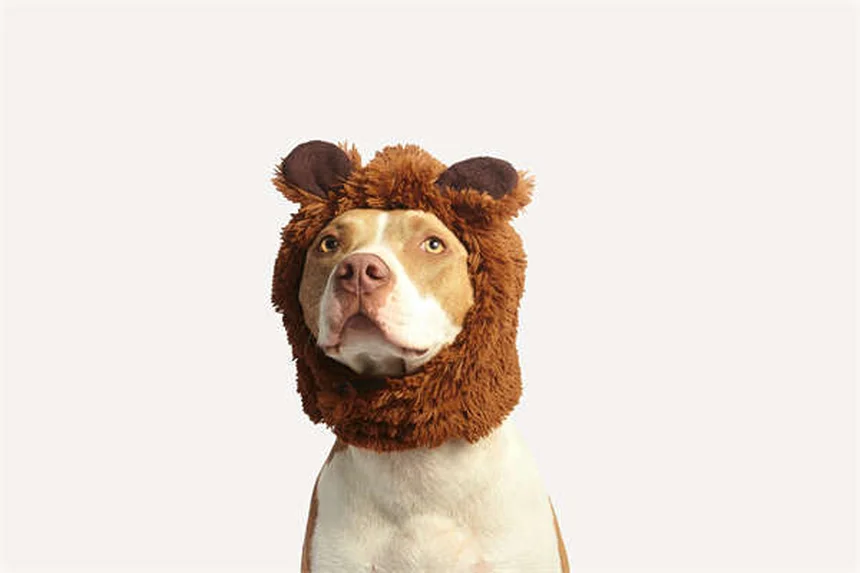 Photos provided by pixabay
When Medicine Needs a Wet Nose
Why do doctors approve puppy prescriptions? Because science proves it works! A Johns Hopkins study found animal-assisted therapy patients required 28% less pain medication than others. That's right - cuddles might reduce your pill count!
Let me share a real example. Eight-year-old Mia dreaded chemotherapy until she met Max, a shaggy therapy dog. Now she counts down to "Max days," forgetting her IV line when he rests his head on her lap. That's the power of unconditional love.
Special Cases, Special Dogs
Not all heroes wear capes - some wear bandanas! Therapy dogs assist with:
Cancer patients: Dogs distract kids during painful procedures. One clever pup even learned to "help" by holding the end of an IV tube in his mouth!
Heart failure patients: Studies show just petting a dog for 15 minutes lowers stress hormones better than many medications. Who needs beta-blockers when you've got belly rubs?
Science Says: Puppies Are Medicine
By the Numbers
Still skeptical? Let's look at the cold, hard facts (delivered by warm, fuzzy researchers):
A UCLA Medical Center trial followed 200 patients interacting with therapy dogs. The results were paw-some:
- 92% reported improved mood
- 84% showed measurable blood pressure drops
- 76% engaged more with their treatment plans
 Photos provided by pixabay
When Medicine Needs a Wet Nose
Wait - are we trading one health risk for another? Absolutely not! Therapy dogs undergo stricter health checks than most humans:
Before any hospital visit, dogs must have:
- Current vaccinations (yes, including flu shots!)
- Monthly flea/tick prevention
- Regular grooming with medical-grade shampoos
Fun fact: Many therapy dogs wear little booties to keep hospital floors clean. Talk about fashionable and functional!
Becoming a Four-Legged Therapist
Not Every Pup Makes the Cut
Think your dog has what it takes? The requirements are tougher than getting into Harvard! Candidates must:
1. Pass temperament tests (no barking at wheelchairs!)
2. Remain calm during loud noises (MRI machines, anyone?)
3. Enjoy being touched by strangers (even if they pull ears gently)
My neighbor's hyperactive Labrador failed three times before finally earning his therapy vest. Now he's a star at the local children's hospital - proof that persistence pays!
The Training Process
What's harder - medical school or therapy dog training? Let's compare:
| Requirement | Medical Student | Therapy Dog |
|---|---|---|
| Years of training | 7+ | 1-2 |
| Final exam | Board certification | Canine Good Citizen test |
| Uniform | White coat | Adorable bandana |
Your Questions Answered
 Photos provided by pixabay
When Medicine Needs a Wet Nose
You bet! Over 1,000 U.S. hospitals now have formal therapy dog programs. From Mayo Clinic to children's hospitals, administrators see the benefits outweigh any risks. After all, when was the last time your medication made you smile uncontrollably?
"What If I'm Allergic?"
Great question! Many facilities now use hypoallergenic breeds like poodles or Portuguese water dogs. Some even have robotic therapy dogs (though they can't beat the real thing for sloppy kisses!).
Next time you're in a hospital, listen for the click-clack of paws on linoleum. That joyful sound means healing is on its way - with four legs and a wagging tail!
The Secret Superpowers of Therapy Dogs
Reading Human Emotions Like a Pro
Ever notice how your dog seems to know when you're sad? Therapy dogs take this natural ability to superhero levels. They can detect subtle changes in human body language, breathing patterns, and even scent that indicate distress. A study at the University of British Columbia found therapy dogs respond to human crying 85% faster than untrained pets.
Here's something wild - some therapy dogs develop "signature moves" for different situations. I met a golden retriever named Buddy who does this hilarious head tilt and slow blink combo when he senses anxiety. Patients swear he's saying "I got you" in dog language!
The Science Behind the Snuggles
Why does petting a dog feel so darn good? It's not just in your head - there's actual chemistry happening! When you interact with a therapy dog:
- Oxytocin (the love hormone) increases by 30-50%
- Cortisol (stress hormone) drops like it's hot
- Endorphins flood your system naturally
Researchers at Washington State University found these effects last up to 4 hours after interaction. That's longer than most pain medications! Maybe we should call it "doggie dopamine" instead of therapy.
Unexpected Places You'll Find Therapy Dogs
Courtroom Comfort Canines
Picture this: A child witness nervously fidgeting on the stand. Suddenly, a gentle Labrador rests its head on their lap. This scene happens daily in over 200 U.S. courthouses now. These special dogs help:
- Reduce witness trauma during testimony
- Calm defendants awaiting verdicts
- Even comfort stressed-out lawyers (yes, they need love too!)
The best part? Some courthouse dogs have official badges. Officer Fluffy reporting for duty!
Airport Anxiety Busters
Missed flights? Lost luggage? TSA lines from hell? Meet the airport therapy dogs making travel less terrible. Major hubs like LAX and JFK deploy squads of tail-wagging ambassadors to:
Calm nervous flyers: One passenger was hyperventilating until a Great Pyrenees plopped its 100-pound self into her lap. Instant Xanax!
Entertain delayed passengers: Kids having meltdowns? Bring in the corgi brigade! These short-legged heroes turn terminal tantrums into giggles.
Beyond Dogs: The Animal Therapy Revolution
Miniature Horses Making Moves
Think therapy animals stop at dogs? Think again! Mini horses are trotting into hospitals nationwide. At just 2-3 feet tall, these gentle giants:
- Live 3 times longer than dogs (30+ year careers!)
- Can be housebroken to work indoors
- Provide sturdy support for physical therapy
A nursing home in Ohio reports 40% fewer falls since introducing their mini horse program. Residents hold onto manes instead of walkers - talk about natural balance assistance!
The Purr-fect Alternative
Not a dog person? Therapy cats are having their moment too. While less common, these feline therapists excel in:
| Setting | Cat Advantage |
|---|---|
| Hospice care | Quiet comfort for final moments |
| Autism centers | Less overwhelming than dogs |
| Libraries | Kids read aloud to non-judgmental listeners |
Fun fact: A grumpy-looking cat named Porcupine became a viral sensation at a Maine hospital. Turns out his resting grump face made patients laugh harder than any happy dog!
The Human Side of Animal Therapy
Handlers: The Unsung Heroes
Behind every great therapy dog is an even greater human. These volunteers spend countless hours:
- Training (both themselves and their pets)
- Navigating facility red tape
- Cleaning up... let's call it "biohazards"
I shadowed a handler named Martha for a day. Between hospital visits, she:
1. Brushed her collie's coat (twice!)
2. Sanitized 14 paws (her dog wears booties)
3. Logged detailed patient interaction notes
All for zero pay. Now that's dedication!
When the Healer Needs Healing
Here's something they don't tell you - therapy animals need TLC too. Smart programs include:
Mandatory playtime: After serious hospital shifts, dogs get to be regular goofballs. Watching a therapy golden retriever finally let loose with zoomies is pure joy.
Emotional check-ins: Handlers monitor for signs of stress. One clever program gives dogs "sick days" when they seem off - complete with chicken soup (the dog-safe kind!).
After all, you can't pour from an empty bowl - whether you're human or canine!
E.g. :How Do Companion Animals and Therapy Animals ... - Psychiatry.org
FAQs
Q: What exactly do therapy dogs do in hospitals?
A: Therapy dogs in hospitals perform specific healing tasks that complement medical treatment. Unlike service dogs who assist individuals, therapy dogs work with multiple patients to provide emotional and physical benefits. I've watched them motivate kids to complete painful physical therapy by offering high-fives, distract cancer patients during procedures by resting heads on laps, and even help elderly patients eat by creating a comforting atmosphere. Research from Johns Hopkins shows their presence alone can reduce pain medication needs by 28%. These pups undergo rigorous training to remain calm around medical equipment, tolerate unexpected noises, and enjoy being touched by strangers - making them perfect partners in the healing process.
Q: Are therapy dogs actually clean enough for hospitals?
A: You'll be shocked how meticulously clean therapy dogs are maintained! As someone who's worked with hospital administrators, I can tell you these dogs have stricter hygiene protocols than most human visitors. They require current vaccinations (including flu shots), monthly flea/tick prevention, and regular baths with medical-grade shampoos. Many wear adorable booties to protect hospital floors. Organizations like Therapy Dogs International mandate annual health checks including fecal exams and heartworm tests. The truth is, these canine visitors pose less infection risk than your average family member - and bring way more smiles!
Q: What types of patients benefit most from therapy dogs?
A: While all patients can enjoy therapy dogs, some see particularly dramatic results. Pediatric cancer patients show remarkable improvements in mood and treatment compliance - I'll never forget 8-year-old Mia who stopped dreading chemo after meeting Max the shaggy therapist. Heart failure patients experience measurable drops in stress hormones after just 15 minutes of petting. Elderly patients in long-term care facilities often start eating better and socializing more when dogs visit. Even emergency room staff report that 90% of them believe therapy dogs should be standard in ERs. The science is clear: tails beat pills for certain healing benefits!
Q: How does a dog become a certified therapy dog?
A: Becoming a hospital therapy dog is tougher than getting into medical school! I've helped train several candidates, and the process is no walk in the park. Dogs must pass the rigorous Canine Good Citizen test, proving they can remain calm around wheelchairs, ignore food on the floor, and tolerate loud medical noises. They undergo temperament testing through organizations like Alliance of Therapy Dogs - only about 1 in 3 dogs make the cut. My neighbor's Labrador failed three times before finally earning his therapy vest! Successful candidates then complete specialized hospital training, learning to navigate elevators, ignore dropped pills, and provide comfort on command. It's a proud moment when they finally get that official bandana.
Q: What if a patient is allergic or afraid of dogs?
A: Great question! Hospitals have clever solutions I've seen implemented. Many facilities now use hypoallergenic breeds like poodles or Portuguese water dogs for allergy-sensitive areas. Some even have designated "dog-free" zones or schedule visits when allergic patients are elsewhere. For those with fear, therapy teams often start with the dog behind a curtain or glass, letting patients observe first. I've watched terrified kids gradually warm up when they see other patients laughing with the pup. In rare cases, hospitals are experimenting with robotic therapy dogs - though everyone agrees they can't replace real tail wags and sloppy kisses!