
Q: Why is my dog leaking urine? A: Here's the straight answer - your dog likely has urinary incontinence, which means they're peeing without realizing it. I've seen this countless times in my practice, especially in spayed female dogs and larger breeds. The good news? Most cases are treatable once we identify the cause.You're probably noticing accidents where your dog sleeps or relaxes, right? That's classic incontinence - different from behavioral peeing. We'll walk through all the possible causes (from infections to weak bladders) and show you exactly what to do next. Trust me, with the right approach, you can help your pup stay dry and comfortable.
E.g. :Mobile Vet Clinics: The Stress-Free Way to Care for Your Pet at Home
- 1、Understanding Dog Incontinence: A Pet Owner's Guide
- 2、The Many Faces of Dog Incontinence
- 3、Getting Your Dog Back on Track
- 4、Living With an Incontinent Dog
- 5、Prevention and Long-Term Care
- 6、Final Thoughts From Experience
- 7、Beyond the Basics: Exploring Less Common Causes
- 8、Environmental Factors That Surprise Owners
- 9、Alternative Approaches Worth Considering
- 10、The Emotional Toll on Pet Parents
- 11、Future Possibilities in Treatment
- 12、Practical Tips From the Trenches
- 13、FAQs
Understanding Dog Incontinence: A Pet Owner's Guide
Ever walked into your living room and found a puddle where your dog was sleeping? That's urinary incontinence - when your pup leaks urine without realizing it. Let me break it down for you in simple terms.
What Exactly Is Happening?
When we say a dog is incontinent, we mean they're not consciously controlling their bladder. Picture this: your golden retriever wakes up from a nap, and there's a wet spot where she was lying. She didn't mean to do it - her body just let go.
Here's what makes incontinence different: It usually happens when your dog is relaxed or sleeping, and the amount of urine can be surprisingly large. I've seen cases where owners thought their house-trained adult dog was acting out, when in reality, it was a medical issue.
The Many Faces of Dog Incontinence
Medical Causes You Should Know About
Did you know there are at least six common medical reasons your dog might be leaking urine? Let's look at them:
| Cause | Typical Signs | Common in These Breeds |
|---|---|---|
| Urinary tract infection | Frequent small accidents, straining | All breeds |
| Bladder stones | Blood in urine, discomfort | Dachshunds, Bulldogs |
| Weak bladder sphincter | Leaking during sleep | Large spayed females |
The most surprising one? Bigger dogs have more trouble. A study showed dogs over 33 pounds are seven times more likely to develop incontinence. That's like comparing a leaky garden hose to a fire hydrant!
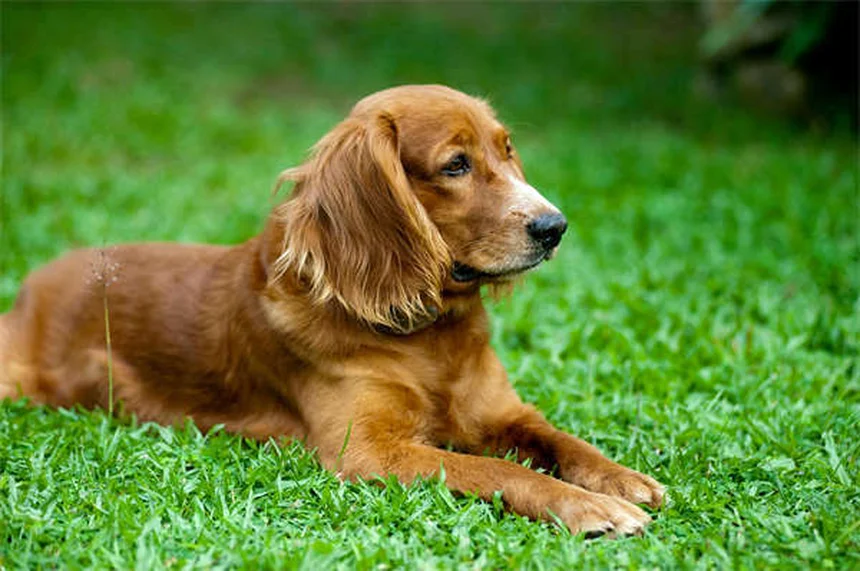 Photos provided by pixabay
When It's Not Really Incontinence
Now here's a question: Is your dog actually incontinent, or is there another explanation? Great question! Let me explain the difference.
True incontinence means your dog has zero control. But sometimes, what looks like incontinence might be:
- Excitement peeing (common in puppies)
- Poor house training (oops!)
- Senior moments (older dogs forget where to go)
I once had a client whose "incontinent" puppy was actually just peeing when excited. The solution? Calm greetings and patience - not medication!
Getting Your Dog Back on Track
Step 1: The Vet Visit
If you suspect incontinence, don't wait. Your vet will likely:
- Do a physical exam (checking for pain or abnormalities)
- Run urine tests (looking for infections or crystals)
- Maybe do blood work (checking organ function)
Here's a pro tip: Bring a fresh urine sample to save time. Use a clean container and get it to the vet within an hour for best results.
Treatment Options That Work
What if I told you most incontinent dogs can be helped? That's right! Treatment depends on the cause:
For infections, antibiotics usually do the trick. Bladder stones might need special food or surgery. And for that weak bladder sphincter (common in spayed females), medications like PPA can work wonders.
I remember a Boxer named Bella who leaked constantly. After starting medication, her owner cried happy tears when Bella stayed dry for a whole week!
Living With an Incontinent Dog
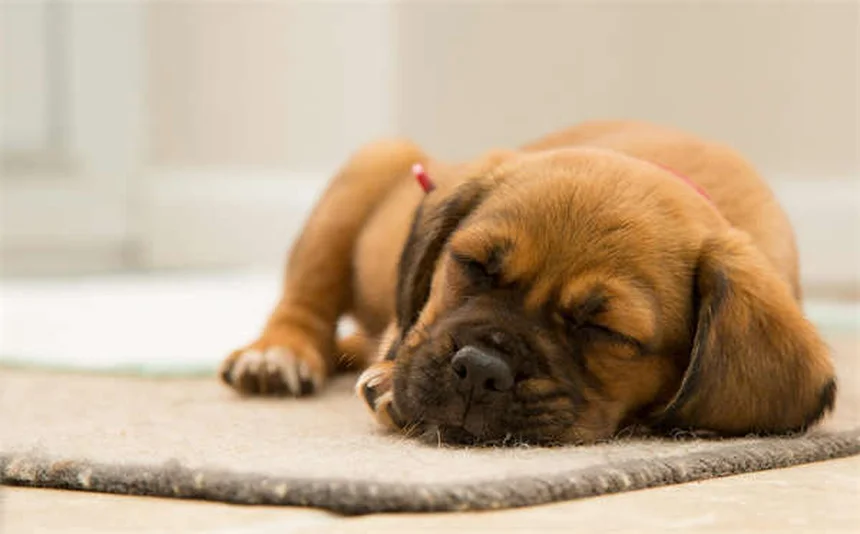 Photos provided by pixabay
When It's Not Really Incontinence
While treatment kicks in, try these practical solutions:
- Doggy diapers (get washable ones to save money)
- Waterproof bedding (your couch will thank you)
- More potty breaks (set phone reminders if needed)
Just changed your dog's diaper? Check their skin for redness - urine can irritate like a bad sunburn!
When to Consider Surgery
For severe cases that don't respond to meds, surgery might be an option. Procedures like colposuspension or stem cell therapy can help, but they're usually last resorts.
Remember my client with the Great Dane? After trying everything else, surgery gave her dog a new lease on life. Now they both sleep through the night - dry!
Prevention and Long-Term Care
Keeping Your Dog Healthy
While some causes can't be prevented, you can:
- Maintain a healthy weight (extra pounds strain the bladder)
- Provide fresh water (but don't let them overdrink)
- Schedule regular vet checks (catch problems early)
Think of it like car maintenance - regular oil changes prevent bigger problems down the road!
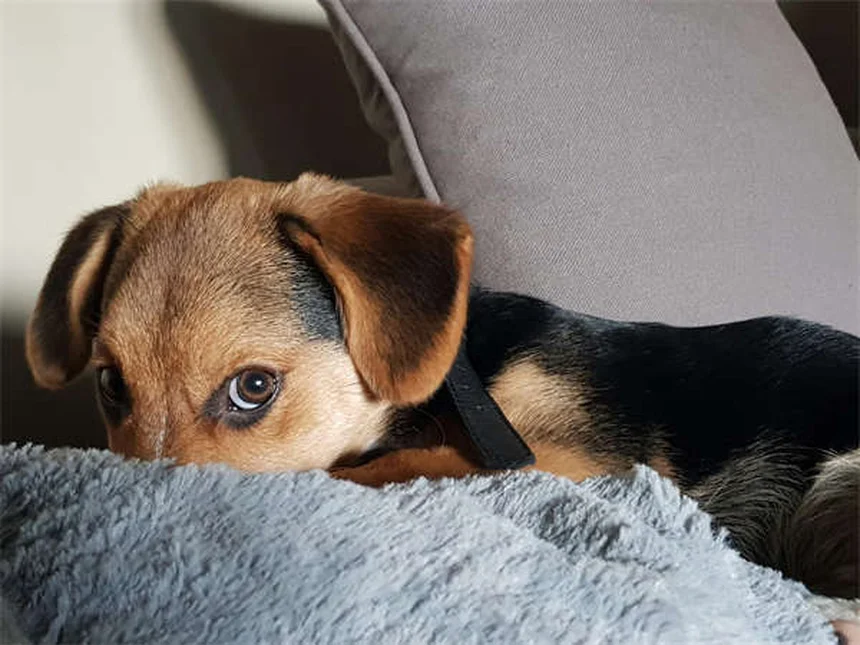 Photos provided by pixabay
When It's Not Really Incontinence
Some folks panic about spaying causing incontinence. Here's the truth: the benefits outweigh the risks. While spayed females are more prone, the chance is still small compared to the health benefits.
If you're concerned, talk to your vet about timing. Some suggest waiting until after first heat, but every dog is different.
Final Thoughts From Experience
In my years as a vet tech, I've seen hundreds of incontinent dogs get better. The key? Patience and persistence. Most respond well to treatment, and their quality of life improves dramatically.
So if your furry friend is having accidents, don't despair. With proper care, you'll both be happier - and your floors will stay drier!
Beyond the Basics: Exploring Less Common Causes
Neurological Factors You Might Not Know About
Did you know your dog's nervous system plays a huge role in bladder control? Spinal cord injuries or nerve damage can disrupt the signals between brain and bladder. I once treated a Dachshund who developed incontinence after a slipped disc - the connection was surprising but real!
Here's something fascinating: Dogs with neurological issues often show other symptoms like wobbly walking or loss of tail wagging. If you notice these along with accidents, tell your vet immediately. Early intervention can make all the difference in recovery.
The Hormone Connection
Ever wonder why spayed females are more prone to incontinence? Estrogen plays a crucial role in maintaining bladder muscle tone. When levels drop after spaying, some dogs develop what we call "spay incontinence." But don't panic - it's usually manageable with medication.
Interestingly, male dogs can experience hormone-related incontinence too, especially if they've been neutered. Testosterone helps maintain prostate health, and changes can affect urinary control. Who knew hormones could be such bladder bullies?
Environmental Factors That Surprise Owners
Stress and Anxiety Impacts
You might not believe this, but your dog's emotional state affects their bladder. Just like humans get "nervous pee," dogs can develop stress-related incontinence. Common triggers include:
- Moving to a new home (even if it's exciting!)
- Adding a new pet to the family
- Construction noise or thunderstorms
I'll never forget the Labrador who started having accidents after his family renovated their kitchen. Once the noise stopped and we added some calming supplements, his bladder control returned. Sometimes the solution isn't medical - it's emotional!
Diet and Hydration Effects
What goes in must come out, right? Your dog's food and water intake directly impact their urinary habits. Some key things to consider:
| Diet Factor | Potential Impact | Solution |
|---|---|---|
| High-sodium treats | Increased thirst and urination | Switch to low-sodium options |
| Dry food only | Concentrated urine | Add water or wet food |
| Evening water intake | Nighttime accidents | Limit water 2 hours before bed |
Remember that time you drank three sodas before a movie and had to run to the bathroom? Dogs experience similar urgency with certain diets!
Alternative Approaches Worth Considering
Physical Therapy for Bladder Control
Here's something cool: canine physical therapy can help strengthen the muscles involved in urination. Special exercises target the pelvic floor and abdominal muscles that support bladder function. It's like yoga for your dog's plumbing system!
One of my favorite success stories involves a senior Border Collie who regained control through a combination of medication and targeted exercises. Her owner reported she could finally make it through agility class without accidents. Talk about a comeback!
Acupuncture and Herbal Remedies
Ever considered ancient Chinese medicine for your dog's modern problem? Acupuncture has shown promise in treating certain types of incontinence by improving nerve function and circulation. Some herbal supplements like corn silk or marshmallow root may also provide relief.
But here's my professional advice: Always consult your vet before trying alternative treatments. What works for one dog might not help another, and some herbs can interact with medications. Safety first, folks!
The Emotional Toll on Pet Parents
Coping With Frustration and Guilt
Let's get real for a moment - dealing with dog accidents can be emotionally draining. You're not a bad owner if you sometimes feel frustrated. I've had clients break down in tears, convinced they're failing their pets. But here's the truth: incontinence is a medical issue, not a reflection of your care.
What helps? Joining support groups (yes, they exist!), setting up easy-clean areas in your home, and celebrating small victories. That first dry night after starting treatment? Pop some champagne (for you, not the dog)!
When to Consider Quality of Life
For severe cases that don't respond to treatment, some owners face tough decisions. How much is too much for your dog to endure? This isn't about giving up - it's about compassionately assessing their comfort.
I'll never forget the elderly Cocker Spaniel who happily wore diapers for years until other health issues arose. His owner knew it was time when he stopped enjoying his favorite activities. These decisions are heartbreaking but sometimes the kindest choice.
Future Possibilities in Treatment
Emerging Medical Breakthroughs
The field of veterinary urology is advancing rapidly! Researchers are exploring:
- Stem cell therapy to regenerate bladder tissue
- New medications with fewer side effects
- Minimally invasive surgical techniques
Just last year, a veterinary school developed an implantable device that stimulates bladder nerves. Imagine - a pacemaker for your dog's bladder! The future looks brighter (and drier) every day.
The Role of Genetics Research
Here's a thought-provoking question: Could we someday predict which dogs will develop incontinence? Absolutely! Genetic testing is helping identify predispositions in certain breeds.
Scientists have already found markers associated with weak bladder sphincters in Dobermans and Old English Sheepdogs. This knowledge could lead to preventative care plans tailored to individual dogs. How cool is that?
Practical Tips From the Trenches
Cleaning Hacks That Actually Work
After years of dealing with accidents, I've perfected the art of cleanup. Here are my battle-tested tips:
- Use enzymatic cleaners (regular ones don't break down urine completely)
- Keep a portable carpet cleaner handy
- Try blacklights to find hidden spots (it's like a detective game!)
Pro tip: For stubborn odors, mix white vinegar and baking soda before the enzymatic cleaner. The chemical reaction helps lift stains better than anything I've tried!
Traveling With an Incontinent Dog
Road trips with a leaky pup require extra planning but aren't impossible. My must-pack list includes:
- Waterproof seat covers (test them first!)
- Travel-sized cleaner and towels
- Extra medication and diapers
- Pee pads for hotel rooms
I once helped a client prepare for cross-country move with three incontinent seniors. With proper planning, they arrived without a single accident in the rental truck. Now that's what I call a successful mission!
E.g. :Urinary Incontinence (Urethral Incontinence) in Dogs | VCA | VCA ...
FAQs
Q: What's the most common cause of dog incontinence?
A: Urethral sphincter mechanism incompetence (USMI) tops the list, especially in spayed females. I've treated dozens of cases where middle-aged, larger female dogs suddenly start leaking urine while sleeping. Research shows dogs over 33 pounds are seven times more likely to develop this. The sphincter muscle weakens, often due to hormonal changes after spaying. But don't panic - medications like Phenylpropanolamine (PPA) often work wonders. We typically see improvement within a week of starting treatment.
Q: How can I tell if it's incontinence or just bad behavior?
A: Here's how I explain it to my clients: True incontinence happens when your dog is completely unaware they're urinating - usually during sleep or relaxation. You'll find large puddles where they've been lying. Behavioral issues? That's conscious peeing - like excitement urination when greeting you or marking territory. One telltale sign: incontinent dogs often wake up surprised to find themselves wet. If you're unsure, try setting up a nanny cam to catch the accidents in action.
Q: Are certain dog breeds more prone to incontinence?
A: Absolutely! In my experience, Boxers, Dobermans, and German Shepherds top the risk list. The Veterinary Information Network confirms these breeds plus several others (like Springer Spaniels and Rottweilers) have higher rates. But here's something interesting - it's not just about breed. Size matters too. That 2013 study in the Journal of the American Veterinary Medical Association found heavier dogs (over 33 lbs) are seven times more likely to develop incontinence. If you have one of these at-risk pups, watch closely as they age.
Q: What's the first thing I should do if my dog becomes incontinent?
A: Schedule a vet visit immediately - don't wait! Here's what we'll do: First, a thorough physical exam to check for pain or abnormalities. Then, we'll run a urinalysis (protip: bring a fresh urine sample to save time). Blood work often comes next to check organ function. I can't stress enough how important early testing is - that urinary tract infection causing leaks could turn into kidney issues if left untreated. The sooner we diagnose, the better the outcome.
Q: Are dog diapers a good solution for incontinence?
A: Diapers can be a temporary help, but they're not a long-term solution. I recommend washable cloth diapers (more eco-friendly and cost-effective) for short-term use. However, you must check your dog's skin frequently - urine scalding is painful and can lead to infections. One client's Labrador developed a nasty rash before they realized the diaper needed changing more often. The real fix? Treating the underlying cause while using diapers as a stopgap measure.