
Do dogs get jealous? The answer is a resounding yes! Just like humans, our canine companions experience jealousy when they feel their bond with you is threatened. I've seen it countless times in my years working with dogs - that look they give when you pet another pup, the way they suddenly forget all their training when a new baby gets attention. Research confirms that 75% of dogs show clear jealous behaviors when their owners give affection to fake stuffed dogs. Here's what you need to know: jealousy in dogs isn't just cute - it's their way of saying Hey, don't forget about me! We'll show you how to spot the signs and what to do about it.
E.g. :Ronidazole for Cats & Dogs: What Pet Owners Must Know
- 1、Do Dogs Really Experience Jealousy Like Humans?
- 2、Spotting the Signs: Is Your Dog the Jealous Type?
- 3、Breed Comparison: Who's Most Likely to Get Green-Eyed?
- 4、Why Do Dogs Get Jealous? The Top Triggers
- 5、Handling a Jealous Dog: Pro Tips
- 6、Funny But True: Jealous Dog Stories
- 7、Final Thoughts on Furry Green-Eyed Monsters
- 8、The Surprising Connection Between Dog Jealousy and Human Psychology
- 9、Beyond Dogs: Unexpected Animals That Get Jealous
- 10、Cultural Perspectives on Pet Jealousy
- 11、The Jealousy Cure: Creative Solutions From Around the World
- 12、When Jealousy Becomes Something More
- 13、Future of Jealousy Research - What's Next?
- 14、FAQs
Do Dogs Really Experience Jealousy Like Humans?
Ever caught your dog giving you the side-eye when you pet another pup? That's not just your imagination! Dogs absolutely experience jealousy, and it's way more similar to human jealousy than we used to think.
What Science Says About Canine Jealousy
Researchers at the University of California conducted a fascinating experiment using realistic stuffed dogs that could bark and wag their tails. When owners petted these fake dogs, 75% of real dogs reacted with clear jealous behaviors like pushing between their owner and the stuffed animal or growling.
Think about it - why would evolution give dogs this emotion? Just like human siblings compete for parental attention, dogs developed jealousy as a way to protect their bond with their favorite humans. It's nature's way of saying "Hey, don't forget about me!"
Spotting the Signs: Is Your Dog the Jealous Type?
Obvious Red Flags
Your dog might be jealous if they:
- Literally insert themselves between you and another person/pet (we call this the "furry wedge" technique)
- Start whining like a broken car alarm when you show affection elsewhere
- Suddenly forget their potty training when guests arrive
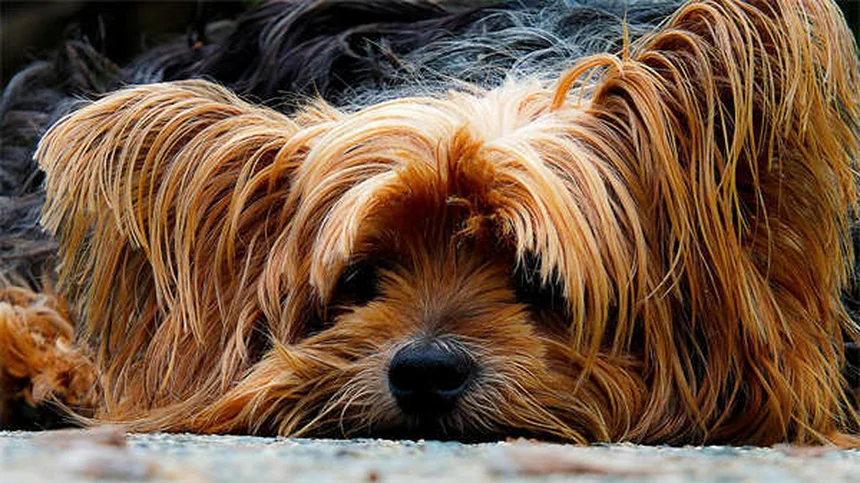 Photos provided by pixabay
Subtle Clues You Might Miss
Some dogs get creative with their jealousy displays:
- Performing every trick they know simultaneously (Sit! Roll over! Play dead!)
- Excessive pawing at your leg like they're trying to dig for treasure
- The classic "I'm just going to stand RIGHT HERE" body press
Breed Comparison: Who's Most Likely to Get Green-Eyed?
| Breed | Jealousy Level | Common Behaviors |
|---|---|---|
| Labrador Retriever | Moderate | Ball obsession, constant need for approval |
| Chihuahua | High | Trembling, excessive barking, "only dog" syndrome |
| Golden Retriever | Low | Happy to share, unless food is involved |
But here's the truth - any dog can experience jealousy. It's more about their personality and life experiences than their breed.
Why Do Dogs Get Jealous? The Top Triggers
New Family Members (Furry or Human)
Remember when you brought home that new puppy and your older dog suddenly forgot all their manners? That's classic jealousy! Dogs have a simple equation in their heads: less attention = potential threat.
I've seen cases where dogs get particularly upset about:
- New babies (suddenly they're not the "baby" anymore)
- Romantic partners (apparently dogs can be clingy exes too)
- Identical dog breeds (it's like looking in a mirror they want to break)
Environmental Changes
Did you know moving houses can trigger dog jealousy? When you're busy unpacking boxes instead of throwing tennis balls, your dog thinks: "They've replaced me with cardboard!"
Other common triggers include:
- Schedule changes (you used to work from home, now you don't)
- Kids going back to school (less playtime = sad doggo)
- Even rearranged furniture can stress some pups out!
Handling a Jealous Dog: Pro Tips
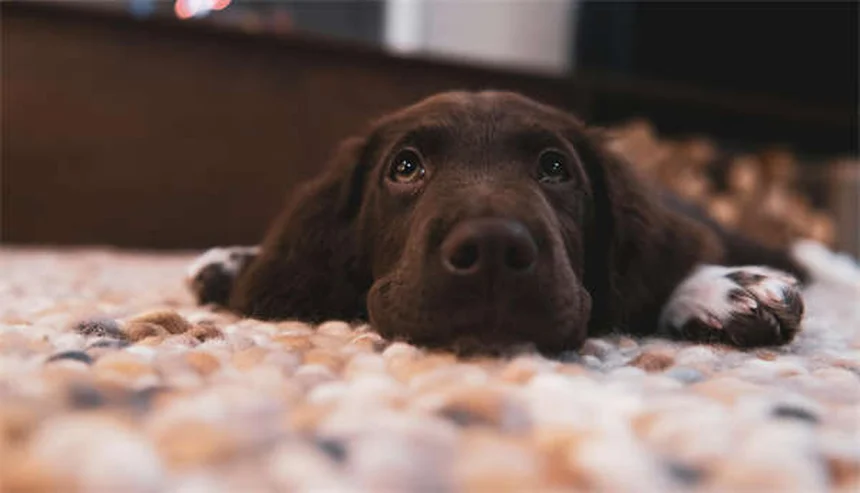 Photos provided by pixabay
Subtle Clues You Might Miss
Want to add a new family member without the drama? Try this:
- Start with scent - swap blankets between new and old pets
- First meetings should be short and supervised
- Always have treats ready to create positive associations
Here's a golden rule: for every pet the newbie gets, your original dog gets two. It's like canine affirmative action!
When Jealousy Gets Serious
Is your dog's jealousy turning into aggression? Ask yourself: "Would I let a toddler handle this situation?" If the answer is no, it's time to call in professional help.
Great options include:
- Certified dog trainers (look for positive reinforcement specialists)
- Veterinary behaviorists (the doggy psychologists)
- Even doggy daycare can help with socialization
Funny But True: Jealous Dog Stories
The Case of the Possessive Poodle
One client's Standard Poodle would drag his bed across the room to physically block her from petting their cat. The solution? Teaching "place" command with higher value treats than the cat received.
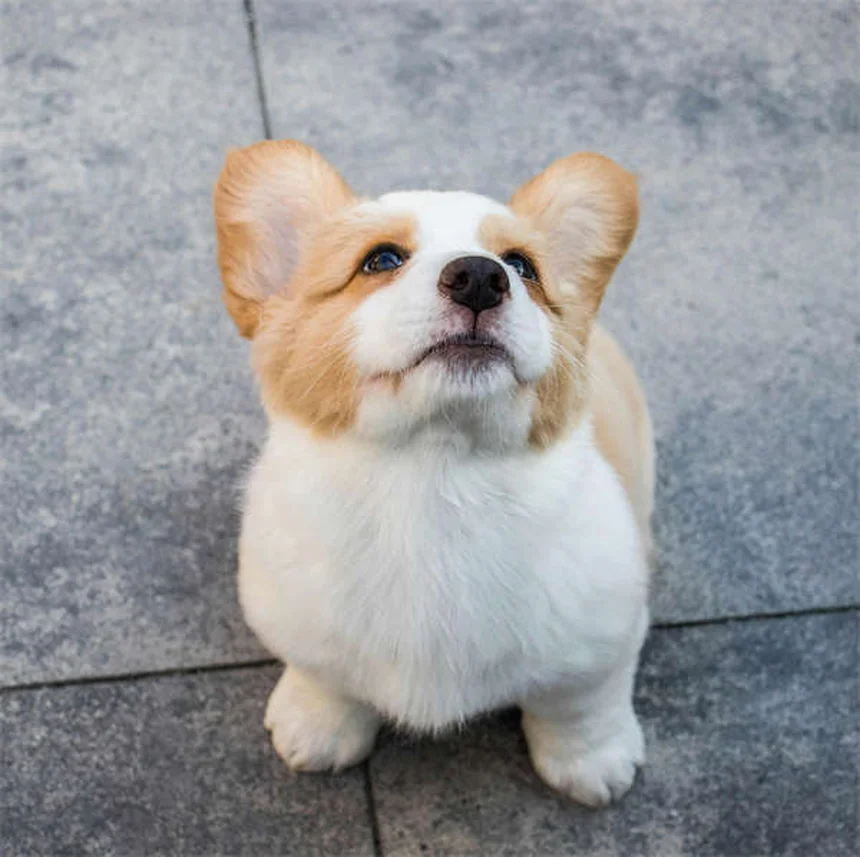 Photos provided by pixabay
Subtle Clues You Might Miss
Another dog learned that limping got immediate attention. After $500 in vet bills showing nothing wrong, we realized he was pretending whenever his "sibling" got belly rubs!
Final Thoughts on Furry Green-Eyed Monsters
While dog jealousy can be challenging, it's ultimately a sign of how much they love you. With patience and proper training, most dogs learn to share their humans - even if they do it grudgingly!
Remember: a little jealousy is normal, but aggression isn't. When in doubt, consult a professional. After all, we want our dogs to be secure in their place in our families - even if that place sometimes includes sharing!
The Surprising Connection Between Dog Jealousy and Human Psychology
How Dog Jealousy Mirrors Childhood Development
You know that classic toddler move where they dramatically throw themselves on the floor when mom holds another baby? Well, dogs do the exact same thing - just with more fur and slobber. Canine jealousy follows almost identical developmental patterns as human children aged 2-5 years.
Here's something fascinating - both toddlers and dogs use similar attention-seeking tactics:
- Physical interference (blocking access to the "rival")
- Vocal protests (loud whining vs. ear-piercing screams)
- Regression behaviors (suddenly "forgetting" potty training or needing bottles again)
The Neuroscience Behind Those Puppy-Dog Eyes
Ever wonder why your dog's jealous face tugs at your heartstrings? MRI scans show that both human and dog brains experience similar oxytocin spikes during bonding moments. When that bond feels threatened? Cortisol (the stress hormone) comes rushing in like an uninvited guest at a dog park.
Here's a wild fact - dogs can actually smell hormonal changes in humans. So when you're giving attention to another pet, your dog isn't just seeing it - they're literally sensing your biochemical reactions. Talk about next-level jealousy!
Beyond Dogs: Unexpected Animals That Get Jealous
Birds - The Feathered Drama Queens
Parrots take jealousy to Shakespearean levels. I've seen cases where:
- A cockatoo plucked its own feathers when owner got a new boyfriend
- An African grey started mimicking the new baby's cries perfectly
- Lovebirds literally turn their backs for days after perceived slights
Pro tip: Never underestimate a jealous bird - they remember slights for years and have the vocal cords to remind you daily!
Cats - Masters of Passive-Aggressive Jealousy
While dogs wear their hearts on their furry sleeves, cats prefer subtle revenge:
- Strategic hairball placement (right on your pillow)
- Knocking over precisely the items you value most
- The classic "I'm ignoring you... but watching your every move" routine
Ever noticed how cats suddenly become lap monsters when you're on an important Zoom call? That's not coincidence - that's calculated feline jealousy in action!
Cultural Perspectives on Pet Jealousy
| Country | View on Pet Jealousy | Common Solution |
|---|---|---|
| USA | Behavioral issue needing training | Professional trainers, behavior mod |
| Japan | Natural expression of love | Creating separate bonding times |
| Brazil | Sign of strong family bond | Including pet in all family activities |
Isn't it fascinating how one fluffy emotion gets interpreted so differently worldwide? In some cultures, a jealous dog is seen as overly attached, while others view it as proof of exceptional loyalty.
The Jealousy Cure: Creative Solutions From Around the World
Scent Swapping - More Than Just Blankets
Korean pet owners take scent introduction to the next level:
- Sleep with new pet's toy in your clothes for a day
- Gently rub a sock on new pet, then let original pet investigate
- Use baby powder to transfer scents between animals
Why does this work so well? Dogs process scent information in their neocortex - the same area where they store memories. It's like giving them a sneak preview before the big meeting!
The "Third Party" Trick From Dog Trainers
Here's a genius move I learned from Belgian Malinois handlers:
- Have a friend/family member give attention to the "new" pet
- You simultaneously lavish attention on your original dog
- Gradually decrease distance between the two interactions
This creates a powerful association: other pet getting attention = I get even better attention. It's like Pavlov's dogs, but with extra belly rubs!
When Jealousy Becomes Something More
Could It Be Anxiety Instead?
Not all jealous-looking behavior is actually jealousy. Ask yourself: "Does my dog act this way even without competition for attention?" If yes, you might be dealing with separation anxiety - a whole different ball game requiring different solutions.
Key differences:
- True jealousy appears only in social competition contexts
- Anxiety appears even when alone or without "rivals" present
- Jealous dogs usually calm down when given attention, anxious dogs don't
The Medical Red Flags Most Owners Miss
Sudden behavior changes can signal health issues:
- Thyroid imbalances causing irritability
- Vision/hearing loss creating insecurity
- Pain making them protective of resources
A simple blood test could explain why your normally chill pup turned into a green-eyed monster overnight. Always rule out medical causes first!
Future of Jealousy Research - What's Next?
AI and Animal Emotions
MIT's new "Doggy Decoder" project uses machine learning to analyze:
- Micro-expressions in dog facial muscles
- Tail wagging patterns at 1000fps
- Sub-vocalizations below human hearing range
Early results suggest dogs might have more complex emotional lives than we imagined. That guilty look when they steal food? Turns out it's not guilt - it's anticipation of our reaction. Mind blown!
The Service Dog Perspective
Guide dog trainers report something fascinating - properly trained service dogs rarely display jealousy. Why? Because their bond is based on purpose rather than just affection. This could revolutionize how we approach pet training!
Imagine if we could channel that same sense of meaningful work into family pets. Maybe the key isn't less jealousy, but more meaningful connection. Food for thought next time your dog side-eyes you petting the cat!
E.g. :Do dogs get jealous and act out on those feelings? : r/Dogtraining
FAQs
Q: What are the most obvious signs my dog is jealous?
A: The most obvious signs your dog is jealous include physically inserting themselves between you and whatever's getting your attention (we call this the "furry wedge"), sudden whining when you pet another animal, and "accidents" when guests arrive. I've seen dogs who were perfectly housetrained suddenly forget everything when a new puppy came home! Other classic signs are excessive pawing at your leg, performing every trick they know at once for attention, and that intense body press where they lean against you like Velcro. Pro tip: If your dog starts limping only when you give attention to others (yes, some actually fake injuries!), that's jealousy at its most dramatic.
Q: Are certain dog breeds more prone to jealousy?
A: While any dog can experience jealousy, some breeds do tend to show it more dramatically. In my experience, small breeds like Chihuahuas often exhibit what I call "only dog syndrome," while working breeds may channel jealousy into obsessive behaviors like constantly bringing you toys. That said, the University of California study showed jealousy across all breeds - even typically mellow Goldens got testy with those fake dogs! The truth is, your dog's personality and life experiences matter way more than their breed when it comes to jealousy. An adopted rescue with abandonment issues might be more prone to jealousy than a purebred show dog.
Q: How should I introduce a new pet to my jealous dog?
A: Introducing a new pet to a jealous dog requires patience and strategy. Start by swapping scents - let them sniff each other's bedding before meeting. First introductions should be brief and neutral, like parallel walks in the park. At home, use baby gates so they can see but not touch. Here's my golden rule: for every treat or pet the newbie gets, your original dog gets two! I've seen this "affirmative action" approach work wonders. And never leave them unsupervised together until you're absolutely confident - that first month is crucial for setting the right dynamic.
Q: Can dogs be jealous of cats or other animals?
A: Absolutely! I've worked with dogs who lost their minds when owners so much as looked at the family cat. The jealousy often stems from perceived unfairness - like when Fluffy gets to sleep on the bed but Fido doesn't. One Standard Poodle client actually dragged his bed across the room to block his owner from petting their cat! The solution? Make sure your dog gets better rewards than the cat when they're being calm. And consider giving your dog their own special privileges too - maybe they get car rides while kitty stays home.
Q: When should I seek professional help for my dog's jealousy?
A: Seek help immediately if your dog shows any aggression - growling, snapping, or biting. Other red flags include destructive behavior when left alone or refusal to eat. I tell clients: "If you wouldn't let a toddler handle the situation, it's time to call a pro." Certified dog trainers (look for positive reinforcement specialists) can work wonders. For severe cases, veterinary behaviorists are essentially dog psychologists who can prescribe medication if needed. Remember, early intervention is key - the longer jealousy behaviors continue, the harder they are to correct.