
Is your dog scared of everything? The answer is: Yes, many dogs experience overwhelming fear that affects their daily lives. We get it - seeing your pup tremble at everyday noises or strangers is heartbreaking. But here's the good news: you can absolutely help your fearful dog become more confident with the right approach.In this guide, we'll walk you through exactly why some dogs seem afraid of everything from loud noises to children. More importantly, we'll share practical techniques that actually work to calm anxious pups. Whether your dog is mildly nervous or completely terrified of the world, these methods have helped countless pet parents like you.I've worked with hundreds of fearful dogs over my 10-year career as a canine behavior specialist. Trust me when I say that even the most anxious pups can make incredible progress. The key is understanding what's triggering their fear and responding in ways that make them feel safe. Let's dive in!
E.g. :Tapeworms in Hamsters: Symptoms, Treatment & Prevention Tips
- 1、Understanding Your Fearful Pup
- 2、Reading Your Dog's Fear Signals
- 3、Common Doggy Fears Explained
- 4、Practical Solutions for Fearful Dogs
- 5、When to Call in the Pros
- 6、Success Stories to Inspire You
- 7、Beyond the Basics: Deep Dive into Canine Anxiety
- 8、Creative Solutions for Common Problems
- 9、Myth Busting: What Doesn't Work
- 10、Equipment That Actually Helps
- 11、Building Confidence Through Play
- 12、Your Role in the Recovery Process
- 13、FAQs
Understanding Your Fearful Pup
Why Some Dogs Are Walking Anxiety Balls
You know that friend who jumps at every little noise? Some dogs are like that too - but on steroids. Fearful dogs didn't choose to be this way. Their anxiety comes from a mix of nature and nurture that would make any pup nervous.
Ever wonder why your dog freaks out at harmless things? Let me break it down for you. Some pups miss out on crucial socialization during their early weeks (8-16 weeks old). Others inherit nervous tendencies from anxious parents. And some just have that one bad experience (like fireworks) that sticks with them forever.
When Fear Might Actually Be Pain
Here's something many owners miss - sometimes what looks like fear is actually pain. If your dog suddenly becomes "hand shy" or flinches when touched, don't assume it's just nerves. Schedule a vet visit to rule out medical issues before working on behavior.
Reading Your Dog's Fear Signals
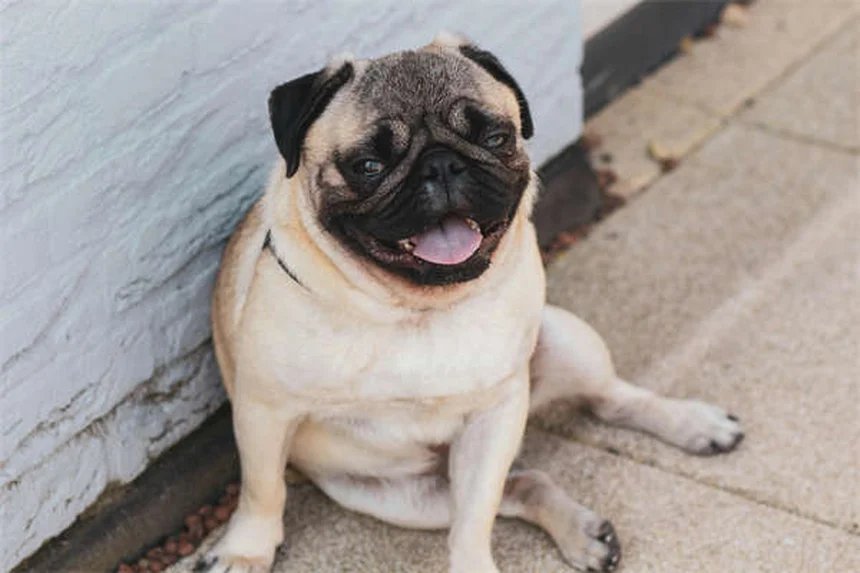 Photos provided by pixabay
The Obvious "I'm Scared!" Signs
Some fear signals are hard to miss:
| Body Language | What It Means |
|---|---|
| Trembling | "I'm really nervous right now" |
| Tail tucked | "I want to disappear" |
| Showing teeth | "Back off or I'll defend myself" |
The Sneaky Fear Signs Most Owners Miss
Did you know frequent yawning or lip licking can mean your dog is stressed? These subtle signs often get overlooked. Other quiet cries for help include freezing in place or moving in slow motion - like when you're trying to sneak past your sleeping parents as a teenager.
Common Doggy Fears Explained
Why Loud Noises Are the Worst
Imagine someone suddenly banging pots behind you - you'd jump, right? Now imagine that feeling multiplied by 100. That's how noise-sensitive dogs feel. While most dogs might startle at thunder, fearful pups might hide for hours after hearing a car backfire.
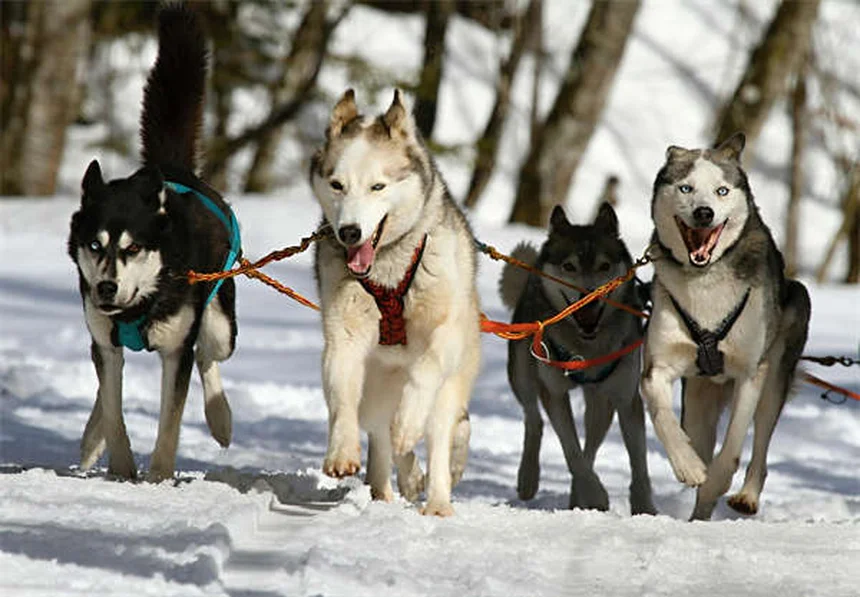 Photos provided by pixabay
The Obvious "I'm Scared!" Signs
Kids are basically tiny, unpredictable tornadoes to dogs. Fast movements + loud voices + lack of personal space = canine nightmare fuel. Even friendly dogs can get overwhelmed, but fearful ones? They might see children as actual monsters.
Practical Solutions for Fearful Dogs
Creating a Safe Space
Every nervous pup needs a sanctuary - whether it's a crate covered with a blanket or a quiet room. This gives them somewhere to retreat when the world gets too much. Think of it like your bedroom after a long day - sometimes you just need to recharge alone.
The Power of Positive Associations
Here's a game-changer: pair scary things with amazing treats. Stranger in the distance? Chicken time! Distant thunder? Cheese party! This counter-conditioning technique helps rebuild positive associations over time.
Did you know it takes most dogs 3-6 months of consistent training to overcome fears? Patience is key - you're basically rewiring their brain's fear responses.
When to Call in the Pros
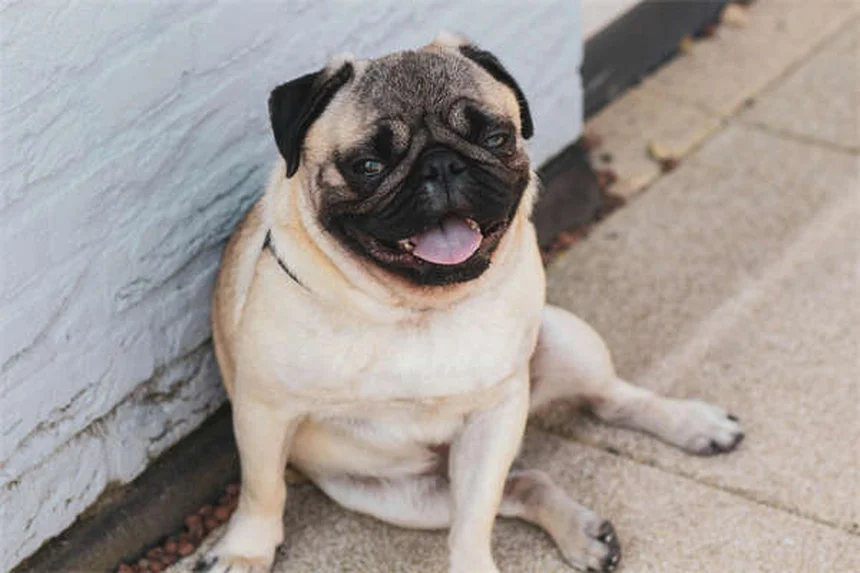 Photos provided by pixabay
The Obvious "I'm Scared!" Signs
If your dog's fear is causing:
- Aggression (growling, snapping)
- Self-harm (excessive licking/chewing)
- Complete shutdown (refusing to eat/drink)
...it's time to call a veterinary behaviorist. These specialists are like doggy therapists who can create customized treatment plans.
Medication: Not a Last Resort
Many owners hesitate about anxiety meds, but think of them like glasses for your dog's brain. Would you deny a nearsighted person spectacles? Sometimes chemical help combined with training gives fearful dogs the boost they need.
Success Stories to Inspire You
From Terrified to Thriving
Take Max, a rescue who used to shake at the sight of leashes. After 4 months of gradual exposure (starting with just seeing the leash from across the room), he now wags his tail during walks. Progress happens!
Small Wins Matter
Celebrate every victory, even if it's just your fearful dog taking one step toward something scary. That one step represents massive courage for them. You're their cheerleader in this journey.
Remember - fearful dogs aren't broken. They just experience the world differently. With understanding and patience, you can help them feel safer in their own fur.
Beyond the Basics: Deep Dive into Canine Anxiety
The Science Behind the Shakes
Ever wonder why some dogs seem hardwired for anxiety? Recent studies show that anxious dogs actually have different brain chemistry than their confident counterparts. Their amygdala (the brain's fear center) lights up like Times Square on New Year's Eve at the slightest provocation.
Here's something fascinating - service dog organizations have found that only about 30% of puppies raised in identical environments develop into calm adults. This suggests that while environment matters, genetics play a huge role too. It's like how some people can drink coffee at night and sleep fine, while others get jittery from decaf!
Fear Periods You Didn't Know About
Most owners know about the critical socialization window (8-16 weeks), but did you know dogs go through multiple fear periods? Around 6-14 months, many pups suddenly become scared of things they previously ignored. It's like canine puberty - everything feels awkward and overwhelming.
I've seen teenage dogs who used to love the vacuum suddenly act like it's a monster. The good news? With gentle exposure, they usually outgrow these phases. The bad news? Many owners mistake this for permanent behavioral issues and give up too soon.
Creative Solutions for Common Problems
Thunderstorm Survival Kit
For noise-phobic dogs, I recommend creating a multi-sensory approach:
- White noise machines (try nature sounds or fan noises)
- Pressure wraps (like ThunderShirts)
- Frozen peanut butter Kongs (distraction + licking is calming)
- Window coverings to reduce lightning flashes
Does this sound like overkill? Think about how you'd comfort a scared child during a storm - you'd probably use several comforting techniques at once. Dogs deserve the same consideration.
The "Look at That" Game
Here's a fun training exercise that works wonders for leash-reactive dogs. When your dog notices something scary (like another dog), say "look at that" in a happy voice and immediately give a treat. This teaches them that seeing triggers predicts good things.
At first, you'll be treating constantly - like a Pez dispenser on overdrive. But gradually, you'll notice your dog glancing at triggers then immediately looking back at you for treats. That's when you know the magic is working!
Myth Busting: What Doesn't Work
The Problem with "Just Get Over It"
Some well-meaning folks suggest flooding - forcing a dog to face their fear until they stop reacting. While this might seem logical, it often backfires spectacularly. Imagine being terrified of spiders and someone locking you in a room full of them. You might eventually stop screaming, but you'd be traumatized, not cured.
Science shows that gradual, positive exposure (desensitization) works better long-term. It's like learning to swim - you don't start in the deep end, you work up to it with floaties first.
Why Punishment Makes Things Worse
Scolding a fearful dog is like yelling at someone having a panic attack. It doesn't teach them to be brave - it just teaches them to hide their fear from you. Worse, it can create new negative associations. A dog scared of strangers who gets scolded for growling might skip the warning growl next time and go straight to biting.
Positive reinforcement isn't about being permissive - it's about being strategic. You're not ignoring bad behavior; you're systematically replacing it with better responses.
Equipment That Actually Helps
Harnesses vs. Collars: The Great Debate
For fearful dogs, equipment choices matter more than you might think:
| Equipment | Best For | Potential Issues |
|---|---|---|
| Flat collar | Confident dogs | Can increase panic if dog pulls |
| Front-clip harness | Dogs who lunge | Gives more control without choking |
| Head halter | Extremely reactive dogs | Requires careful introduction |
Notice how prong and shock collars aren't on the list? That's because they typically make fear-based behaviors worse. When in doubt, choose equipment that reduces pressure rather than increasing it.
The Magic of Long Lines
A 15-30 foot training leash gives fearful dogs freedom to explore while keeping them safe. It's perfect for practicing recall in distracting environments. Just be sure to use a lightweight line and avoid retractable leashes - those can actually teach dogs to pull against tension.
Picture this: your dog sees a squirrel, but instead of hitting the end of a short leash and panicking, they have space to make choices. That's when real learning happens!
Building Confidence Through Play
Treasure Hunts for Shy Dogs
Hide treats around your house or yard and let your dog sniff them out. This simple game boosts confidence by letting them succeed at their own pace. Start easy (treats in plain sight) and gradually increase difficulty as they gain skills.
You'll be amazed how a dog who cowers at loud noises can transform into a determined detective when there's cheese at stake. It's all about finding what motivates them!
The Power of Trick Training
Teaching simple tricks like "shake" or "spin" does more than entertain guests. Each successful trick builds your dog's confidence in their ability to learn and interact. For extremely fearful dogs, start with nose touches to your hand - it's non-threatening and rewarding.
Think of it like leveling up in a video game. Each new skill makes the next challenge seem less daunting. Before you know it, your once-timid pup will be showing off like a circus performer!
Your Role in the Recovery Process
The Emotional Contagion Effect
Dogs are emotional sponges - they absorb our energy whether we mean them to or not. If you tense up every time another dog approaches, your pup learns that dogs are something to worry about. Conversely, staying relaxed (even when faking it) sends the message that everything's cool.
This doesn't mean you should ignore real dangers. It means working on your own breathing and body language as part of your dog's training plan. After all, you can't pour from an empty cup - and you can't calm a dog from a frantic place.
Setting Realistic Expectations
Will your fearful dog ever become the life of the dog park? Maybe not - and that's okay. Progress might mean going from hiding during storms to just pacing nervously. Celebrate the small steps rather than waiting for perfection.
Remember, you're not trying to change your dog's personality - you're helping them feel safer in their own skin. And that's a beautiful gift to give any living creature.
E.g. :Why Is My Dog Scared of Everything? | PetMD
FAQs
Q: Why is my dog suddenly scared of everything?
A: If your dog has developed sudden fearfulness, there are several possible explanations. First, rule out medical issues with your vet - pain or illness can manifest as anxiety. Second, consider any recent traumatic experiences like fireworks or a dog attack. Even one scary event can trigger lasting fear. Third, some dogs become more fearful with age due to cognitive decline. The good news? With patience and proper training, you can help your dog regain confidence regardless of the cause.
Q: How can I tell if my dog is scared or just being stubborn?
A: Great question! Fear and stubbornness look completely different to trained eyes. A scared dog will show physical signs like trembling, tucked tail, or avoiding eye contact. They might lick their lips repeatedly or yawn when stressed. A stubborn dog? They'll usually maintain confident body language while ignoring you. Remember: what looks like "bad behavior" is often fear in disguise. When in doubt, assume it's fear - this approach keeps both you and your pup safer.
Q: What's the fastest way to calm a fearful dog?
A: While there's no instant fix, these techniques work fastest: 1) Create a safe space like a crate or quiet room where your dog can retreat. 2) Use calming aids like Thundershirts or pheromone diffusers. 3) Try the "look at that" game - reward your dog for glancing at scary things then looking back at you. 4) For immediate situations, high-value treats can distract and calm. But remember: true progress takes consistent training over weeks or months. Quick fixes rarely create lasting change.
Q: Should I comfort my dog when they're scared?
A: This is controversial, but here's the truth: comforting your scared dog won't reinforce their fear. Dogs don't think that way. If your pup seeks comfort during scary moments, gentle reassurance is fine. The key is staying calm yourself - your energy affects your dog. Avoid excessive baby talk or dramatic reactions. Instead, use a soothing voice and relaxed body language. For best results, pair comfort with positive reinforcement training to build long-term confidence.
Q: When should I consider medication for my fearful dog?
A: Medication can be a game-changer when: 1) Your dog's fear prevents basic functioning (eating, sleeping, eliminating normally) 2) Training isn't progressing after 3-6 months of consistent effort 3) Your dog shows aggression stemming from fear. Think of meds like training wheels - they help your dog's brain be receptive to learning. Many dogs only need temporary pharmaceutical support while building confidence through behavior modification. Always consult a veterinary behaviorist for medication decisions.