
How to teach your dog to fetch? The answer is simpler than you think! While some pups naturally love chasing balls, others need a little encouragement to get into the game. Here's the good news: with the right approach, nearly any dog can learn to enjoy fetch. I've helped countless pet parents turn their fetch-resistant dogs into enthusiastic players, and I'm going to share exactly how we do it.The secret lies in breaking down the game into small, manageable steps and making each part rewarding. We'll start with teaching your dog to drop it (which is often the toughest part), then gradually build up to full retrieves. Remember, every dog learns at their own pace - what matters is keeping it fun and positive. Whether your dog currently ignores balls or just won't bring them back, we've got solutions that work.By the end of this guide, you'll understand why some dogs struggle with fetch and how to make the game appealing to your particular pup. Let's turn those disinterested looks into wagging tails and excited retrieves!
E.g. :10 Clear Signs Your Dog Is Family (Not Just a Pet)
- 1、Why Some Dogs Just Don't Get Fetch
- 2、Teaching Fetch: A Step-by-Step Guide
- 3、Alternative Games That Rock
- 4、Toys That Might Change the Game
- 5、The Science Behind Fetch Preferences
- 6、Advanced Fetch Training Techniques
- 7、Understanding Your Dog's Play Language
- 8、Fetch Alternatives for Special Needs Dogs
- 9、The Psychology of Play Rewards
- 10、FAQs
Why Some Dogs Just Don't Get Fetch
The Fetch Disconnect: It's Not You, It's Them
Let's be real - we've all seen those Instagram videos of golden retrievers catching frisbees mid-air while we're stuck with a pup who looks at a tennis ball like it's alien technology. Here's the truth: fetch isn't wired into every dog's DNA. While retrievers might have "ball chaser" in their job description, your bulldog's ancestors were busy doing... well, whatever bulldogs did (probably napping).
Think about it this way - would you expect every human to love playing chess? Some of us are grandmasters, others can barely remember how the knight moves. Dogs are the same! The key is finding what makes your dog's tail wag, whether that's fetch, tug-of-war, or just sniffing every blade of grass in the park.
Common Fetch Fails (And Why They Happen)
Ever thrown a ball only to have your dog give you that "you want me to do WHAT?" look? Here's what's probably going on:
| Behavior | Translation | Possible Fix |
|---|---|---|
| Watches ball fly by | "That's nice... but why?" | Start with rolling instead of throwing |
| Chases but doesn't bring back | "Finders keepers!" | Teach "drop it" with high-value treats |
| Runs away with the ball | "Haha! Chase ME now!" | Use two identical balls to create a swap |
Did you know some dogs actually find fetch stressful? That's right - for anxious pups, the fast movements and unpredictability can trigger their nervous system. If your dog seems hesitant, they might be telling you "this isn't fun for me."
Teaching Fetch: A Step-by-Step Guide
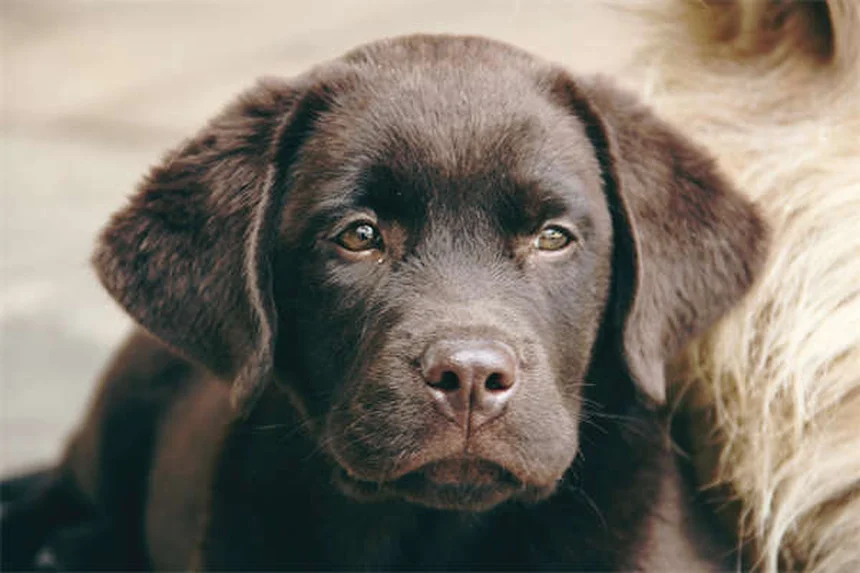 Photos provided by pixabay
Start Small: The Drop It Game
Here's a secret: fetch isn't one skill - it's several strung together. Let's break it down:
First, make holding and releasing the ball the best thing ever. Try this:1. Wiggle a toy until your dog grabs it2. Show a super tasty treat (think chicken, not kibble)3. Say "drop it" as they let go4. Party time! Praise and treat like they just won the doggy Olympics
Repeat this until your dog starts anticipating the reward. Pro tip: use two identical toys to create a fun swap game. When they drop one, immediately show the other - it keeps the energy high!
Adding Movement: The Chase Factor
Now for the fun part - getting them to chase! But wait - did you know most people start too big? Here's what works better:
Start with rolling the ball just a foot away on carpet (it moves slower). Get super excited when they go after it! Gradually increase distance as they get the hang of it. Remember, we're building confidence, not training for the Westminster fetch championships.
If your dog's not into balls? No problem! Try:• Squeaky toys that make noise when moving• Soft plush toys that are easier to carry• Even treats wrapped in cloth for food-motivated pups
Alternative Games That Rock
Tug-of-War: The Underrated Champion
Let's settle this once and for all - tug is NOT bad for dogs! In fact, it's an awesome way to:
• Build confidence in shy dogs• Teach impulse control (with proper rules)• Get energy out when fetch isn't an option
The key is teaching "take it" and "drop it" commands. Make it a game of back-and-forth rather than constant pulling. And always let your dog "win" sometimes - it keeps them engaged!
 Photos provided by pixabay
Start Small: The Drop It Game
Here's a question: why chase balls when you can hunt for treats? Hide-and-seek is fetch's brainy cousin that tires dogs out mentally and physically.
Start easy - show a treat, have your dog stay, then place it just out of sight. Use a cue like "find it!" and celebrate when they succeed. Gradually make hides harder. For advanced players, hide yourself and call your dog!
Bonus benefit: this builds recall skills better than fetch ever could. After all, what dog wouldn't come running when "find me" means belly rubs and treats?
Toys That Might Change the Game
Beyond Tennis Balls: Creative Options
If your dog turns up their nose at standard fetch toys, try these alternatives:
• Flirt poles: Like a giant cat toy for dogs - great for chase without retrieval• Treat-dispensing balls: They get rewarded just for interacting with it• Floating toys: Perfect for water-loving dogs who won't fetch on land• Glow-in-the-dark balls: Because everything's more fun at night!
Remember the golden rule: let your dog choose what they love. Put out a "toy buffet" and see what they gravitate toward naturally. That's your starting point!
When All Else Fails: Embrace Your Dog's Quirks
At the end of the day, does it really matter if your dog won't fetch? Some of the most amazing dogs in history probably couldn't catch a ball to save their lives. What makes your dog special isn't their ability to play by our rules - it's their unique personality.
So next time you see that perfect fetch dog at the park, remember: your dog has talents too. Maybe they're an expert snuggler, or can detect when you're sad before you know it yourself. Those are the real superpowers that matter.
Now if you'll excuse me, I need to go explain to my pug why the ball won't throw itself. Wish me luck!
The Science Behind Fetch Preferences
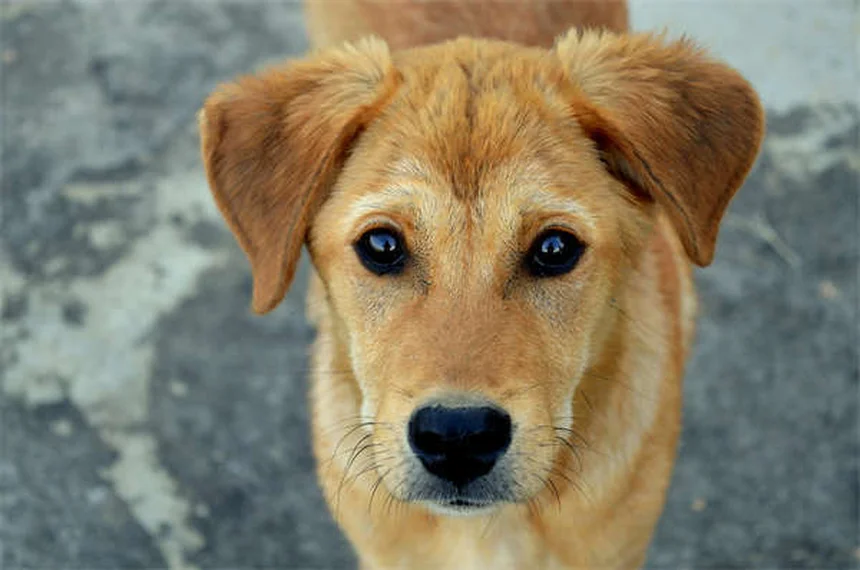 Photos provided by pixabay
Start Small: The Drop It Game
You might wonder - why do some breeds seem born to fetch while others couldn't care less? It all comes down to centuries of selective breeding. Herding dogs like border collies often enjoy chasing but not necessarily retrieving, while water dogs like labs are hardwired to bring things back.
Let me give you an example from my own experience. My neighbor's basset hound would rather sniff a single blade of grass for 20 minutes than chase a ball. But take him hunting? Suddenly he's all business. That's because scent hounds were bred for tracking, not fetching.
The Role of Early Socialization
Here's something fascinating - puppies who miss critical play periods between 8-16 weeks often struggle with fetch later. Early positive experiences with toys create neural pathways that make retrieval more natural.
Think about how human kids learn sports. The ones exposed to soccer at age 5 usually pick it up faster than someone starting at 15. Same principle applies to dogs! If your adult dog never learned, don't worry - we can still build those pathways, it just takes more patience.
Advanced Fetch Training Techniques
Building Drive Through Food Motivation
Ever seen those competition dogs who go nuts for fetch? Their secret isn't magic - it's strategic food pairing. Here's how it works:
1. Choose a special toy used ONLY for fetch2. Rub it with hot dog or cheese before play3. Make the toy disappear when session ends4. Gradually reduce food scent as excitement builds
This creates what trainers call "prey drive" - that intense focus you see in working dogs. I've used this method with my lazy beagle mix, and now he'll actually bring the ball back... sometimes.
The Three Toy Rotation System
Why do dogs lose interest in fetch after a few throws? Simple - boredom! The solution? Create a toy rotation that keeps things exciting:
| Toy Type | Best For | Engagement Level |
|---|---|---|
| Squeaky balls | Initial excitement | High |
| Rope toys | Tug/fetch combo | Medium |
| Soft plush | Gentle retrievers | Low |
Switch toys every 3-5 throws to maintain interest. Pro tip: store toys in a sealed bag with treats to boost scent appeal!
Understanding Your Dog's Play Language
Reading Play Bow vs Stress Signals
How can you tell if your dog is truly enjoying fetch or just tolerating it? Body language tells all. A play bow (front down, butt up) means "let's go!" while lip licking or yawning often signals stress.
I learned this the hard way with my rescue dog. What I thought was excitement was actually anxiety - she'd chase balls but then hide under the porch. Now we stick to sniff games she genuinely enjoys.
The Importance of Play Breaks
Here's a question many owners don't consider: could you be overdoing it? Dogs need frequent play breaks just like athletes need water breaks.
Try the 5-minute rule - play for 5, rest for 5. This prevents frustration buildup and keeps sessions positive. Watch for slowing down or distracted behavior - that's your cue to wrap it up on a high note.
Fetch Alternatives for Special Needs Dogs
Low-Impact Options for Senior Pups
Old dogs might not have the joints for leaping catches, but they still need mental stimulation. Try these senior-friendly modifications:
• Roll balls along the ground instead of throwing• Use larger, softer toys that are easier to grip• Keep sessions under 10 minutes• Always follow with gentle massage
My 12-year-old lab mix can't do marathon fetch sessions anymore, but she still lights up when I bring out her favorite slow-rolling ball.
Indoor Fetch Solutions for Bad Weather Days
Rainy day? No problem! You can adapt fetch for indoor play with these creative ideas:
- Hallway fetch (use a soft ball)- Staircase fetch (for dogs who can safely do stairs)- Blanket hide-and-seek (hide toys under a folded blanket)- Treat toss (small pieces tossed short distances)
The key is adjusting expectations. Indoor fetch won't burn as much energy, but it keeps skills sharp and prevents boredom. Plus, watching a corgi try to navigate a living room obstacle course is pure comedy gold!
The Psychology of Play Rewards
Why Variable Reinforcement Works Best
Ever notice how slot machines keep people hooked? The same principle applies to dog training. Instead of rewarding every fetch, try this pattern:
1st fetch: treat2nd: praise only3rd: treat4th: play tug as reward5th: jackpot of multiple treats
This unpredictable reward system creates intense engagement. My dog now plays like each throw might be "the big one" - it's hilarious to watch!
When to Seek Professional Help
At what point should you call in a trainer? If your dog shows any of these signs during fetch attempts:
• Aggression toward the toy• Extreme fear responses• Obsessive fixation that prevents stopping• Complete disinterest after multiple training attempts
A good trainer can assess whether it's a training issue or if your dog is simply saying "this isn't my thing." And that's okay! The world needs more happy sniffers and fewer frustrated fetch players.
E.g. :Slightly unusual problem - our dog doesn't care about balls and won ...
FAQs
Q: Why won't my dog play fetch?
A: There are several reasons your dog might not be into fetch. Some breeds simply weren't bred for retrieving - think bulldogs or basset hounds. Others might find the game confusing or stressful. The key is observing your dog's specific reaction: do they ignore the ball completely, chase but not retrieve, or refuse to give it back? Each scenario requires a different approach. We recommend starting with basic "drop it" training using high-value treats before even throwing anything. Remember, fetch isn't natural for all dogs, but most can learn to enjoy it with patience.
Q: What's the best way to teach "drop it"?
A: Teaching "drop it" is the foundation of fetch training. Here's how we do it: start by getting your dog interested in a toy (wiggle it to make it exciting). When they grab it, show them an irresistible treat and say "drop it" as they let go. Immediately praise and reward! Repeat this until your dog anticipates the treat when they hear the command. Pro tip: use two identical toys to create a fun swap game - when they drop one, immediately show the other. This keeps the energy high and makes releasing objects feel like part of the game rather than losing something valuable.
Q: My dog chases but won't bring the ball back - help!
A: This common fetch frustration has a simple solution. First, practice in a small space like a hallway where your dog can't run too far. Start by rolling the ball just a few feet - when they grab it, get super excited and run backward while calling them. Most dogs will naturally follow this movement. When they come toward you, say "drop it" and reward heavily when they do. Gradually increase distance as they improve. Another trick: use two balls - when they pick up the first, show the second one to motivate them to return. Remember to keep sessions short and end on a positive note!
Q: What if my dog isn't interested in balls?
A: No problem! Fetch doesn't have to mean tennis balls. Try different textures and shapes - some dogs prefer soft plush toys, rubber balls with grooves for easy gripping, or even treat-dispensing toys. For food-motivated dogs, try wrapping treats in cloth or using a scented toy. Other great alternatives include flirt poles (like giant cat toys for dogs) or floating toys for water-loving pups. The key is letting your dog choose what excites them - put out a "toy buffet" and see what they naturally gravitate toward. That's your starting point for fetch training!
Q: Are there alternatives to fetch that provide similar exercise?
A: Absolutely! If your dog truly doesn't enjoy fetch, try these great alternatives: Tug-of-war builds strength and teaches impulse control when played with rules. Hide-and-seek provides mental stimulation and physical activity - hide treats or yourself and let your dog search. Flirt poles offer fantastic chase exercise without requiring retrieval. Food puzzles engage their brain while burning energy. Remember, the goal is bonding and exercise - it doesn't matter what game you play as long as you're both having fun. Your dog's unique personality is what makes them special, whether they're a fetch champion or not!