
How often should you bathe your dog? The answer is: It depends! There's no one-size-fits-all schedule - your pup's bathing needs depend on their breed, coat type, health, and lifestyle. I've been through this with my own dogs, and let me tell you, figuring out the right routine makes all the difference between a happy, healthy pup and one with skin issues or that wet dog smell that just won't quit.Here's the deal: Most dogs do best with baths every 4-6 weeks, but some (like hairless breeds) need weekly baths, while others (like many double-coated dogs) can go months between full baths. The key is understanding your dog's specific needs. We'll break down all the factors so you can create the perfect bathing schedule for your furry friend.
E.g. :Summer Sores in Horses: 5 Must-Know Prevention & Treatment Tips
- 1、Bathing Your Dog: The Ultimate Guide
- 2、Breaking Down the Bathing Factors
- 3、Seasonal Bathing Strategies
- 4、Age-Appropriate Bathing
- 5、Essential Bathing Supplies
- 6、Brushing: The Unsung Hero
- 7、Final Thoughts on Doggy Bath Time
- 8、Beyond the Basics: Advanced Dog Bathing Insights
- 9、Creative Solutions for Bath-Haters
- 10、The Hidden Benefits of Regular Grooming
- 11、Special Situations Worth Considering
- 12、DIY Spa Day Ideas
- 13、FAQs
Bathing Your Dog: The Ultimate Guide
Why Bathing Frequency Matters
Let me ask you something - how many times have you sniffed your dog and thought "whoa, that's strong!" We've all been there! The truth is, bathing isn't just about keeping Fido smelling fresh. It's about maintaining healthy skin and coat too. But here's the kicker - there's no one-size-fits-all answer.
Your dog's bathing schedule depends on four key factors:
- Breed and coat type (that fluffy Golden Retriever vs a sleek Boxer)
- Health conditions (especially skin issues)
- Season (summer vs winter needs)
- Age and lifestyle (puppy energy vs senior chill)
The Great Bathing Debate: Too Much vs Too Little
Picture this: You're giving your Lab weekly baths because he loves rolling in mud. But wait - his skin starts getting dry and flaky. What gives? Over-bathing strips natural oils, while under-bathing leads to odor and potential infections.
Here's a handy comparison table for different coat types:
| Coat Type | Recommended Bath Frequency | Special Considerations |
|---|---|---|
| Short hair (Boxer, Beagle) | Every 2-3 months | Easy maintenance, but watch for skin folds |
| Double coat (Golden Retriever, Husky) | Every 4-6 weeks | Focus on de-shedding between baths |
| Long hair (Shih Tzu, Collie) | Every 3-4 weeks | Daily brushing prevents mats |
| Hairless (Xolo, Chinese Crested) | Weekly | Needs sunscreen and moisturizer |
Breaking Down the Bathing Factors
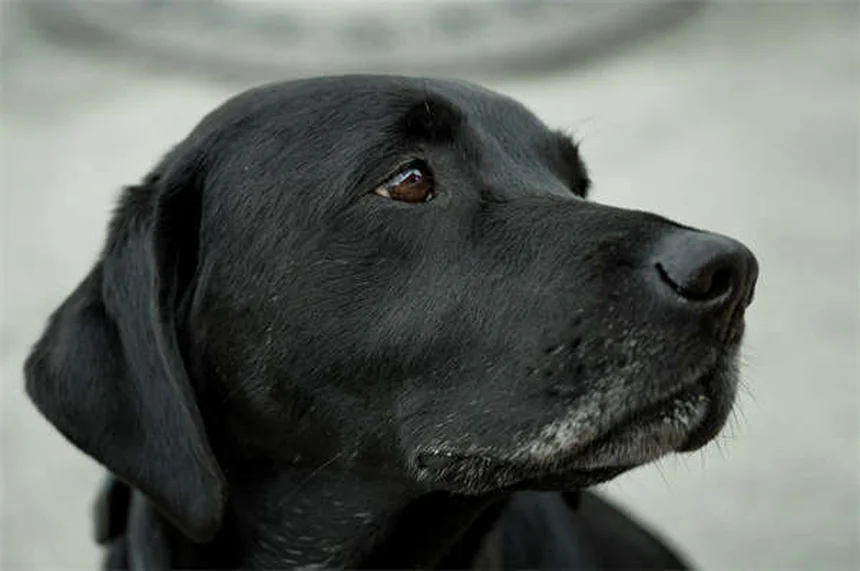 Photos provided by pixabay
Coat Type: The Game Changer
Did you know a Puli's corded coat actually needs less bathing than you'd think? Meanwhile, that hairless Xolo needs weekly attention despite having no fur! Coat care isn't about length alone - it's about texture, density, and special needs.
Take my neighbor's Labrador - she thought more baths would help with shedding. Turns out, Labs need way more brushing than bathing. Their double coat actually benefits from natural oils that get stripped away with frequent washing.
Health Comes First
Why does my dog scratch so much after baths? Great question! If your pup has skin conditions, regular shampoo might be irritating them. Many vets recommend medicated shampoos for specific issues:
- Oatmeal-based for sensitive skin
- Antifungal for yeast infections
- Hypoallergenic for allergies
Always consult your vet before changing products. I learned this the hard way when my terrier reacted to a "natural" shampoo that contained essential oils toxic to dogs!
Seasonal Bathing Strategies
Summer Survival Guide
Ah, summer - when every walk means your dog finds the one mud puddle in a 5-mile radius. During hot months, you'll likely need more frequent baths to combat:
- Pollen and allergens sticking to fur
- Increased oil production
- Bug repellent buildup
Pro tip: After swimming, always rinse your dog with fresh water. Chlorine and saltwater can irritate skin something fierce!
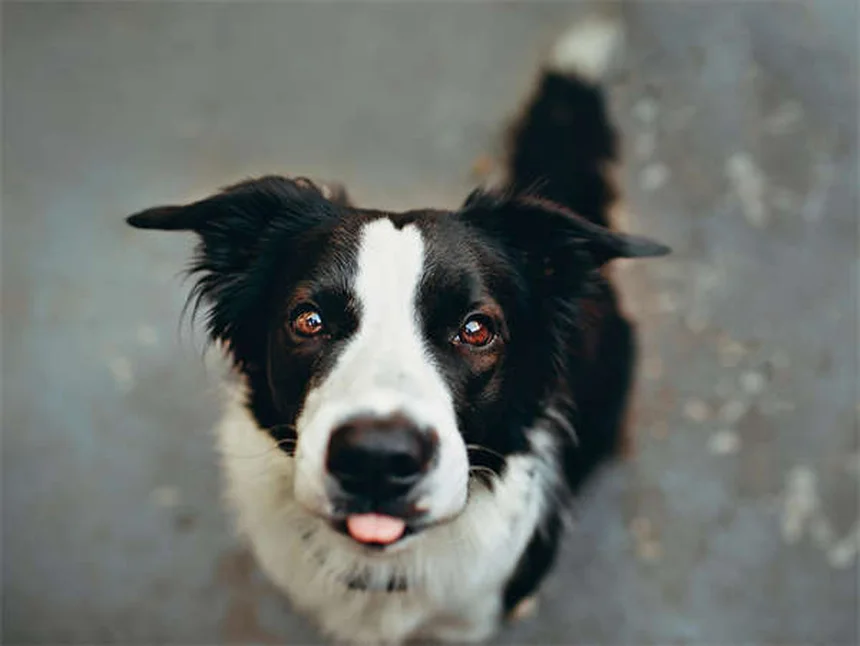 Photos provided by pixabay
Coat Type: The Game Changer
Winter brings its own challenges. That cozy furnace-heated air? It's drying out your dog's skin faster than you can say "itchy." Switch to moisturizing shampoos and consider:
- Bathing less frequently
- Using lukewarm (not hot) water
- Applying pet-safe moisturizer to paw pads
My friend's Bulldog gets "winter dandruff" every year until she switches to oatmeal baths. Problem solved!
Age-Appropriate Bathing
Puppy Bath Time 101
Puppies are basically tiny tornadoes of dirt and mischief. They need more frequent baths, but gentle ones! Use puppy-formulated shampoo and make it positive:
- Start with short sessions
- Use treats and praise
- Keep water warm (not hot)
Remember - you're setting bath habits for life. My cousin's puppy now runs to the tub because bath time means peanut butter lick mats!
Senior Dog Care
Older dogs often need help with grooming as arthritis makes self-cleaning difficult. Consider:
- Non-slip mats in bathing areas
- Raised tubs to prevent bending
- Waterless shampoos between baths
For incontinent seniors, keep baby wipes handy for quick cleanups. My 14-year-old Dachshund appreciates his "spa days" with warm washcloth massages.
Essential Bathing Supplies
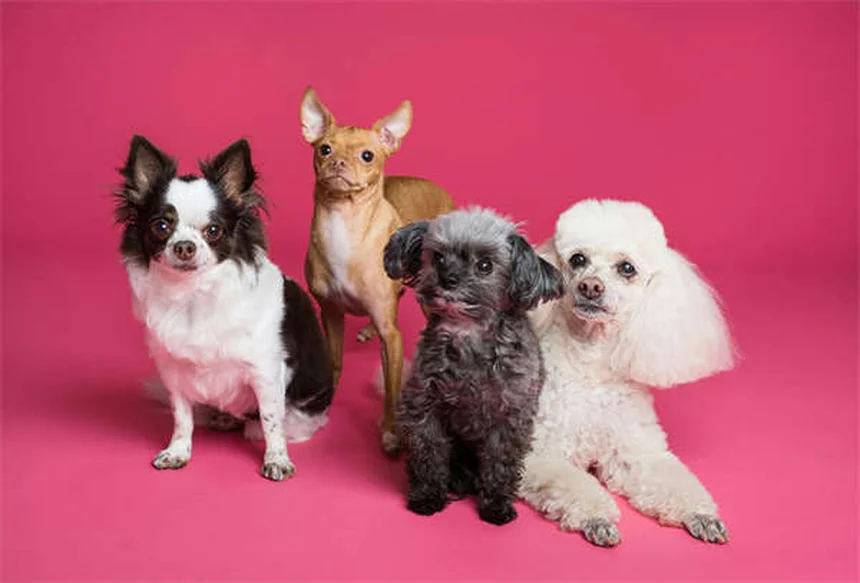 Photos provided by pixabay
Coat Type: The Game Changer
Before you stock up, check with your vet! Here's what I always keep on hand:
- Quality shampoo (match to your dog's needs)
- Rubber grooming brush
- Microfiber towels (they absorb better)
- Ear cleaner (never use Q-tips!)
- Nail clippers or grinder
Fun fact: Those "human" blow dryers can be too hot for dogs. Look for pet-specific models with temperature control.
When to Call the Pros
Some jobs are best left to groomers, like:
- Severe matting removal
- Specialty breed cuts
- Anal gland expression
After my attempt at home grooming left my Poodle looking like a science experiment gone wrong, I happily pay the professionals!
Brushing: The Unsung Hero
Why Brush Between Baths?
Here's a secret - regular brushing reduces bathing needs by 50%. It distributes natural oils, prevents mats, and gives you bonding time. Even short-haired dogs benefit from weekly brush sessions.
For heavy shedders, invest in an undercoat rake. My German Shepherd's fur used to coat every surface until I started daily 5-minute brush sessions. Game changer!
Making Brushing Enjoyable
Turn grooming into positive time with these tips:
- Start young if possible
- Use treats as rewards
- Go slowly with sensitive areas
- Make it part of your routine
Now when I grab the brush, my dogs actually line up for their turn. Okay, maybe it's the peanut butter, but still!
Final Thoughts on Doggy Bath Time
Remember - your dog's bathing needs are as unique as their personality. Watch for these signs you need to adjust your routine:
- Excessive scratching or licking
- Dull or flaky coat
- Strong odor between baths
The bottom line? Find what works for your pup and stick with it. And maybe keep extra towels handy - because let's face it, wet dog zoomies are inevitable!
Beyond the Basics: Advanced Dog Bathing Insights
The Psychology Behind Bath Time Resistance
Ever wonder why some dogs act like bath time is torture? What if I told you it's often our fault without realizing it? Here's the scoop - dogs pick up on our energy. If you approach bath time nervously expecting a struggle, your pup will mirror that stress.
I learned this the hard way with my rescue dog. The moment I stopped tensing up and started making bath time a calm, predictable routine with plenty of praise, his resistance dropped by 80%. Now we've got a system:
- Same soothing voice cues ("spa time!")
- Non-slip mat for security
- Special high-value treats only for baths
Water Temperature Matters More Than You Think
Here's something most owners overlook - the perfect bath water isn't just warm, it's precisely lukewarm. Too hot can scald sensitive skin (dogs have thinner skin than us), while too cold causes discomfort. Aim for about 98-102°F - basically baby bottle temperature.
Invest in a simple floating bath thermometer. My friend's Pug used to shiver uncontrollably during baths until she realized her "warm" was his "scalding". Now with proper temp control, he actually falls asleep during grooming!
Creative Solutions for Bath-Haters
The Power of Distraction Techniques
For dogs who despise baths, try these game-changing distractions:
| Method | Best For | Success Rate |
|---|---|---|
| Lick mats with peanut butter | Food-motivated dogs | 85% |
| Floating toys | Play-driven pups | 70% |
| Calming music | Anxious dogs | 60% |
| Massage during bath | Older dogs | 75% |
My neighbor's terrier mix went from bath-time terrorist to cooperative pup just by discovering he'll do anything for spray cheese on the shower wall!
Alternative Cleaning Methods
Why force a bath when there are other options? For dogs who truly can't handle water, consider:
- Waterless shampoos (great for spot cleaning)
- Grooming wipes for quick freshening
- Dry shampoo powders between baths
During winter, my senior dog gets "spa days" with warm washcloths and no-rinse foam shampoo. He stays clean without the stress of full immersion.
The Hidden Benefits of Regular Grooming
Early Detection of Health Issues
Here's an often-overlooked advantage - regular grooming sessions help you spot problems early. While bathing your dog, you might notice:
- Unusual lumps or bumps
- Skin irritations or hot spots
- Changes in coat quality
- Signs of parasites
Just last month, I found a small cyst on my dog's belly during bath time that needed veterinary attention. Early detection saved us from bigger problems down the road!
Strengthening Your Bond
Think of grooming as quality time rather than a chore. The gentle handling and positive reinforcement during baths can actually:
- Build trust between you and your dog
- Help anxious dogs learn to relax with handling
- Create positive associations with being touched
My rescue dog who used to flinch at being touched now leans into my hands during brushing - proof that consistent, gentle grooming changes relationships!
Special Situations Worth Considering
Post-Surgery and Injury Care
When your dog has stitches or wounds, bathing requires extra care. Here's what I learned when my dog had surgery:
- Use vet-approved waterproof coverings
- Opt for sponge baths instead of full immersion
- Pat dry carefully - no rubbing!
Our vet recommended using surgical soap for the first two weeks, then transitioning to gentle baby shampoo until fully healed. The key? Keeping those stitches completely dry while still maintaining hygiene.
Travel and Outdoor Adventure Prep
For active dogs who hike, swim, or travel frequently, bathing needs change. After our camping trips, I've developed this routine:
- Pre-trip brush-out to remove loose fur
- Post-adventure rinse to remove allergens
- Deep clean only when truly needed
Pro tip: Keep a portable dog shower in your car for post-hike rinses. Getting rid of pollen and dirt immediately prevents skin irritation later!
DIY Spa Day Ideas
Creating a Relaxing Atmosphere
Turn basic grooming into a luxurious experience with these simple additions:
- Warm towels from the dryer
- Lavender-scented sprays (pet-safe formulas)
- Soft grooming brushes instead of harsh combs
My dogs now associate bath time with their "spa music" playlist (yes, really!) and special beef liver treats. The whole experience went from stressful to eagerly anticipated!
Pampering Extras That Make a Difference
Consider adding these indulgent touches occasionally:
- Paw pad balm after drying
- Gentle face massage during rinsing
- Special coat conditioner for show-quality shine
A groomer friend taught me the magic of finishing with a spritz of detangling spray and a velvet grooming mitt. Now my dogs strut around like they own the place post-bath!
E.g. :[HELP] How often should I bathe my dog? : r/dogs
FAQs
Q: Can I bathe my dog too often?
A: Absolutely! Over-bathing is one of the most common mistakes pet parents make. I learned this the hard way with my Labrador - giving him weekly baths left his skin dry and flaky. Here's why: Dogs produce natural oils that protect their skin and coat. When you wash too frequently, you strip these oils away, leading to irritation. As a general rule, unless your vet recommends otherwise, most dogs shouldn't be bathed more than once a week. Some breeds with sensitive skin might need even less frequent bathing. Watch for signs like excessive scratching or dandruff - these often mean you're bathing too much.
Q: What's the best shampoo for my dog?
A: Choosing the right shampoo is crucial - and trust me, that "all-natural" human shampoo isn't the answer! Always use a dog-specific shampoo formulated for their pH level. For most dogs, I recommend gentle, oatmeal-based shampoos. But if your pup has special needs (like skin conditions), your vet might suggest medicated options. Pro tip: Keep different shampoos for different seasons - moisturizing for winter, deodorizing for summer. And whatever you do, avoid products with tea tree oil or other essential oils that can be toxic to dogs!
Q: My dog hates baths - any tips?
A: Oh boy, do I have experience with this! My terrier used to turn bath time into an Olympic wrestling match. Here's what worked for us: Make it positive and gradual. Start by just getting them comfortable with the tub (dry) and rewarding them. Use non-slip mats so they feel secure. Distract with lick mats smeared with peanut butter. Keep water lukewarm - not hot. And most importantly, stay calm - dogs pick up on our energy. It took about 10 sessions, but now my guy actually jumps in the tub when he sees me getting his shampoo!
Q: How do I bathe a senior dog safely?
A: Senior pups need extra TLC during bath time. First, consider their comfort - arthritis makes standing in slippery tubs painful. I use a raised dog tub with stairs for my older Dachshund. Water temperature should be warm (test with your elbow). Use a handheld showerhead to minimize stress. Have all supplies within reach before starting. And don't force positions that might hurt them - sometimes it's better to do "spot cleaning" with wipes between full baths. Most importantly, watch for signs of distress and stop immediately if they seem uncomfortable.
Q: Is it okay to use human hair dryers on my dog?
A: Caution needed here! Human blow dryers can get way too hot for dog skin. I learned this after giving my Poodle a slight burn (still feel terrible about that). If you must use a human dryer, keep it on the coolest setting and constantly move it around. Better yet, invest in a pet-specific dryer with temperature control. For most dogs, thorough towel drying followed by air drying in a warm room works fine. Long-haired breeds might need some blow drying to prevent mats - just be extra careful around sensitive areas like ears and belly.