
What is ear cropping in dogs? The answer is simple: it's an outdated, painful cosmetic procedure with zero health benefits. We're talking about surgically cutting off part of a puppy's floppy ear just to make it stand up straight - usually when they're only 6-12 weeks old!Here's what you need to know: major veterinary organizations like the AVMA strongly oppose ear cropping because it causes unnecessary pain and can actually harm your dog's ability to communicate. While some breeders still push this practice for breed standards, the truth is it originated from cruel blood sports that are now illegal. Bottom line - if you love dogs, you'll want them to keep their natural, beautiful ears just the way nature intended.
E.g. :Clomipramine for Pets: Safe Dosage & Side Effects Guide
- 1、What Exactly Is Ear Cropping in Dogs?
- 2、The Shocking Truth About Ear Cropping Benefits
- 3、Why You Should Never Crop Your Dog's Ears
- 4、The Legal Landscape of Ear Cropping
- 5、Frequently Asked Questions
- 6、The Bottom Line
- 7、The Psychological Impact on Dogs
- 8、Alternative Ways to Achieve the "Look"
- 9、The Financial Reality of Ear Cropping
- 10、Celebrity Influence and Social Media Trends
- 11、What Veterinarians Really Think
- 12、Personal Stories That Changed Minds
- 13、FAQs
What Exactly Is Ear Cropping in Dogs?
The Surgical Procedure Explained
Let me break this down for you - ear cropping means cutting off part of a dog's floppy ear to make it stand up straight. Vets typically do this when puppies are between 6-12 weeks old using scissors or surgical blades. Imagine someone taking scissors to your ears as a baby - sounds painful, right? That's exactly what these pups go through.
Here's how it works: The vet removes part of the ear flap (called the pinna), then uses stitches or glue to close the wound. After surgery, they'll tape the remaining ear upright to force it to heal in that position. Some breeds like Dobermans keep most of their ear, while others like Pit Bulls often end up with barely any outer ear left at all.
Breeds That Commonly Get Cropped
You'll mostly see this done to certain purebred dogs that people think should look "tough." The usual suspects include:
| Breed | Typical Ear Style After Cropping |
|---|---|
| Doberman Pinschers | Long and pointed |
| Great Danes | Tall and erect |
| Pit Bull Terriers | Very short, barely any ear left |
Mixed breed dogs almost never get this procedure - it's really just about making certain purebreds match some outdated beauty standard.
The Shocking Truth About Ear Cropping Benefits
 Photos provided by pixabay
Historical Reasons (That No Longer Apply)
Back in the old days when people used dogs for fighting or hunting dangerous game, they claimed cropping prevented ear injuries. But here's the thing - dogfighting is now illegal everywhere in the U.S., and bears aren't exactly roaming city streets!
Some also believed cropped ears made protection dogs look more intimidating. I get it - a Doberman with pointy ears does look like it means business. But shouldn't we care more about a dog's actual temperament than making it look scary?
Medical Benefits? Think Again!
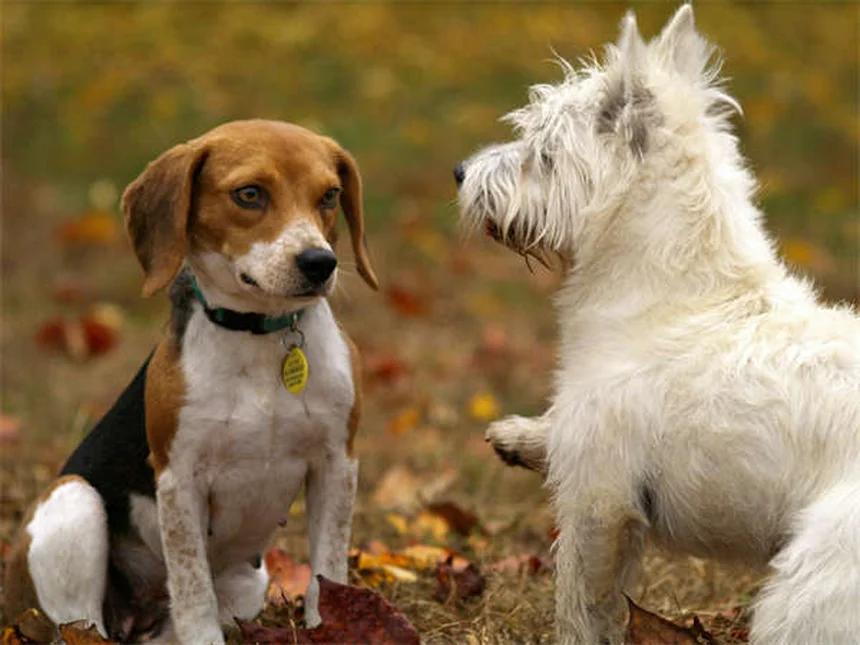
You might hear breeders claim cropping prevents ear infections or improves hearing. This is complete nonsense! In fact, those floppy ears actually help protect the ear canal from dirt and debris. And get this - the ear flap helps funnel sound into the ear canal, so cropping might actually make hearing worse!
Did you know that every major veterinary organization opposes ear cropping? That includes the American Veterinary Medical Association and the Canadian Veterinary Medical Association. When the experts all agree something is unnecessary, maybe we should listen!
Why You Should Never Crop Your Dog's Ears
The Pain Factor
Imagine getting part of your ear cut off without pain medication. Sounds awful, right? While vets use anesthesia, some shady breeders do this at home without any pain control. Even with proper vet care, puppies still experience significant pain during recovery.
Here's something most people don't consider - this surgery happens during a critical socialization period (8-10 weeks old). Painful experiences at this age can permanently affect how a puppy interacts with people and other dogs. Is a cosmetic procedure really worth risking your dog's long-term happiness?
 Photos provided by pixabay
Historical Reasons (That No Longer Apply)
Dogs talk with their ears! They use ear positions to show if they're happy, scared, or curious. When we remove that communication tool, other dogs might misinterpret their signals. This can lead to fights or anxiety issues.
Think about it - if you couldn't use facial expressions, wouldn't people misunderstand you more often? That's exactly what we're doing to dogs when we crop their ears.
The Legal Landscape of Ear Cropping
Where It's Banned
Many countries have wised up to how cruel this practice is. In the United Kingdom, ear cropping is completely illegal. Even their prestigious dog shows won't allow cropped dogs to compete. Australia and most of Europe have similar bans.
Here in the U.S., we're lagging behind - only a few states have restrictions. But the tide is turning as more people realize this is just unnecessary cosmetic surgery on animals.
What You Can Do
If you're looking for a purebred puppy, seek out breeders who don't crop ears. Trust me, they exist! You might pay a little more, but you're supporting ethical breeding practices.
And if you already have a dog with cropped ears? No judgment here - just give them extra love. They didn't choose to have this done to them.
Frequently Asked Questions
 Photos provided by pixabay
Historical Reasons (That No Longer Apply)
This is one of the biggest myths out there! Absolutely not. In fact, the surgery itself can lead to infections during healing. Those natural floppy ears actually help protect the ear canal - they're like built-in shields against dirt and bugs.
Is It True That Cropped Ears Help Dogs Hear Better?
Let me ask you this - would cutting off part of your ear help you hear better? Of course not! Dogs' ear flaps help collect and direct sound into the ear canal. Removing them might actually make hearing slightly worse.
The hearing myth probably started because some working dogs have cropped ears. But their excellent hearing comes from breeding, not from mutilating their ears!
The Bottom Line
At the end of the day, ear cropping is about human vanity, not dog welfare. It's painful, unnecessary, and can cause lifelong issues for our canine companions. The good news? More people are choosing to love their dogs just as nature made them - floppy ears and all!
Next time you see a dog with cropped ears, remember - that dog didn't get a choice in the matter. But you can choose to support breeders who let puppies keep their natural ears. Together, we can make this cruel practice a thing of the past.
The Psychological Impact on Dogs
How Ear Cropping Affects Canine Confidence
You know that feeling when you get a bad haircut and don't want to leave the house? Dogs experience something similar after ear cropping - but much worse. Their ears play a crucial role in body language and social interactions with other dogs.
Here's what most people don't realize: Dogs with cropped ears often show more submissive behaviors because they can't properly communicate their intentions. I've seen cases where cropped-ear dogs get bullied at dog parks simply because other dogs misread their signals. The poor pups don't understand why they're being rejected - it's heartbreaking to watch.
The Socialization Gap
Think about this - the ideal time for ear cropping (6-12 weeks) overlaps perfectly with the critical socialization period. While other puppies are learning how to be dogs, cropped puppies are recovering from surgery and missing out on vital experiences.
This creates what we call the "socialization gap." These dogs often grow up to be either overly timid or unexpectedly aggressive because they never learned proper canine etiquette. Is that fair to the dog? Not at all - we're setting them up for behavioral challenges before they've even had a chance to develop.
Alternative Ways to Achieve the "Look"
Temporary Ear Taping Methods
Want that perky-eared appearance without surgery? Some breeds naturally develop erect ears with temporary taping. For example, German Shepherds often need ear support during teething - and it works without any cutting!
Here's a simple method I've seen ethical breeders use: They gently tape the ears in an upright position using breathable materials, changing the tape every few days. Within weeks, the cartilage strengthens naturally. No pain, no surgery - just patience and proper care.
Creative Grooming Options
Let's get creative! If you love the aesthetic of cropped ears but don't want to harm your dog, consider these fun alternatives:
- Specialty collars that give the illusion of taller ears
- Grooming techniques that enhance natural ear shape
- Costume accessories for photo shoots or special events
The best part? You can change up the look whenever you want, and your dog gets to keep their natural, healthy ears. Now that's what I call a win-win!
The Financial Reality of Ear Cropping
Hidden Costs You Might Not Consider
Sure, the initial surgery might cost $200-$600, but that's just the beginning. Let me break down the real expenses:
| Expense Type | Average Cost |
|---|---|
| Follow-up vet visits | $100-$300 |
| Pain medication | $50-$150 |
| Potential complications | $500-$2000+ |
And here's something breeders won't tell you - many pet insurance policies won't cover complications from cosmetic procedures. That means you could be stuck with massive bills if something goes wrong.
The Ethical Alternative Budget
Instead of spending money on ear cropping, why not invest in something that actually benefits your dog? For the same price, you could get:
- Professional training classes
- A high-quality dog bed and toys
- Regular grooming sessions
- Pet health insurance
Now tell me - which option sounds better for your furry friend? I know which one I'd choose!
Celebrity Influence and Social Media Trends
How Famous Dogs Are Changing Perceptions
You've probably seen celebrity pets like Doug the Pug or Tuna the Chiweenie with their adorable natural ears. These social media stars are proving that dogs don't need cosmetic alterations to be lovable - in fact, their unique features often become their most endearing qualities.
I recently noticed an interesting trend - dogs with natural ears actually get more engagement on Instagram! People seem to respond better to authentic, unaltered pets. Maybe we're finally moving past the idea that dogs need to fit some arbitrary standard of perfection.
The Rise of the "Natural Look" Movement
Across the country, more breeders are proudly advertising "natural-eared" puppies. Some kennel clubs are even considering rule changes to stop favoring cropped ears in show rings.
This shift reminds me of the natural hair movement for humans - it's about embracing what's real instead of conforming to outdated beauty standards. And just like with human trends, the canine world is slowly but surely catching up. Isn't it about time?
What Veterinarians Really Think
Behind Closed Doors at the Vet Clinic
As someone who's worked with many veterinarians, I can tell you most hate performing ear crops. One vet friend confessed she only does it because she worries breeders will go to less ethical practitioners if she refuses.
Here's an eye-opening fact: Many vets who perform ear cropping actually donate the fees to animal welfare organizations. They're stuck between professional obligations and personal ethics - a position no medical professional should be in.
The New Generation of Vets Speaks Out
Recent veterinary graduates are increasingly refusing to perform cosmetic procedures altogether. They're asking tough questions like: "Would I do this to my own dog?" and "Does this actually benefit the animal?"
This generational shift gives me hope. As more young vets enter the field, we're seeing a stronger stance against unnecessary surgeries. Maybe soon, ear cropping will join declawing as a procedure of the past.
Personal Stories That Changed Minds
From Show Dog to Shelter Resident
I'll never forget meeting Max, a Doberman surrendered to a shelter because his ear crop "didn't turn out right." His ears were infected, misshapen, and clearly causing him discomfort. The saddest part? He was otherwise a perfect dog - friendly, well-trained, and loving.
Max's story isn't unique. Many cropped dogs end up in shelters when they don't meet someone's aesthetic expectations. Makes you wonder - if we valued personality over appearance, how many dogs could avoid this fate?
The Happy Accident
Then there's Luna, a Boxer whose owner intended to crop her ears but missed the ideal age window. At first disappointed, the owner soon realized Luna's natural ears gave her the most expressive face. Now they're advocates against ear cropping!
Sometimes the best lessons come from unexpected places. Luna's story proves that what we initially think we want isn't always what we'll ultimately love most about our dogs.
E.g. :My boy Duke, what are pros and cons to getting ears clipped? I get ...
FAQs
Q: Is ear cropping illegal in the United States?
A: Currently, ear cropping remains legal in most U.S. states, but the tide is turning. While the UK and most European countries have banned this practice, America is slowly catching up. Some states like New York and Pennsylvania have introduced restrictions, but there's no federal ban yet. What's shocking is that many breeders still perform this surgery themselves without proper veterinary training or pain management. We strongly recommend checking your local laws and always choosing breeders who don't crop ears - your puppy will thank you!
Q: Do cropped ears really prevent ear infections?
A: This is one of the biggest myths about ear cropping! Let me set the record straight: there's zero scientific evidence that cropped ears prevent infections. In fact, those natural floppy ears actually help protect the ear canal from dirt and debris. What's worse - the cropping procedure itself often leads to infections during the healing process. If you're worried about ear health, regular cleaning is far more effective than this painful surgery. Trust us, your vet will confirm that keeping those natural ears is the healthier choice for your pup.
Q: Why do some dog breeds traditionally have cropped ears?
A: The history behind this practice is pretty disturbing. Originally, ear cropping was done on fighting dogs and hunting dogs to prevent opponents from grabbing their ears. But here's the thing - dogfighting is now illegal everywhere, and we're not sending dogs to hunt bears anymore! The "tradition" argument falls apart when you realize it comes from barbaric practices we've rightfully abandoned. Today, the only reason people still crop ears is for appearance - to make dogs look "tougher" or meet outdated breed standards. We believe dogs are perfect just the way they're born!
Q: How painful is ear cropping for puppies?
A: Imagine having part of your ear cut off without pain medication - that's what some puppies endure when breeders do this at home. Even with proper veterinary care, it's extremely painful. The worst part? This happens during a critical developmental period (8-10 weeks old) when negative experiences can shape a dog's personality forever. Studies show that painful procedures during this time can lead to lifelong fear and anxiety issues. Is making your dog look a certain way really worth risking their long-term happiness? We don't think so.
Q: Can ear cropping affect how dogs communicate?
A: Absolutely! Dogs use their ears like we use facial expressions - to show emotions and intentions. When we remove that communication tool, other dogs might misinterpret their signals, leading to fights or anxiety. Think about it: a dog with cropped ears can't flatten them to show submission or move them forward to show interest. We're essentially giving our dogs a social handicap just for our own aesthetic preferences. At the end of the day, natural ears mean better communication and happier dogs.